October 9, 2026
A comfortable and functional office depends on more than desks, technology, and lighting. Flooring affects how employees move through the workplace, how easily spaces can be maintained, and how the environment feels throughout the workday. The right flooring can also help define different areas, support acoustic comfort, and contribute to a polished appearance that reflects the organization’s priorities. It can also influence how welcoming and organized the office feels from the moment someone enters.
Working with an office flooring company gives businesses access to professional guidance when choosing materials, planning layouts, and coordinating installation. Because every workplace has different traffic patterns, maintenance needs, and design goals, flooring decisions should be based on more than appearance alone. A thoughtful approach can create a workspace that feels comfortable while supporting daily operations for employees, visitors, and clients.
Improving Comfort Through Material Selection
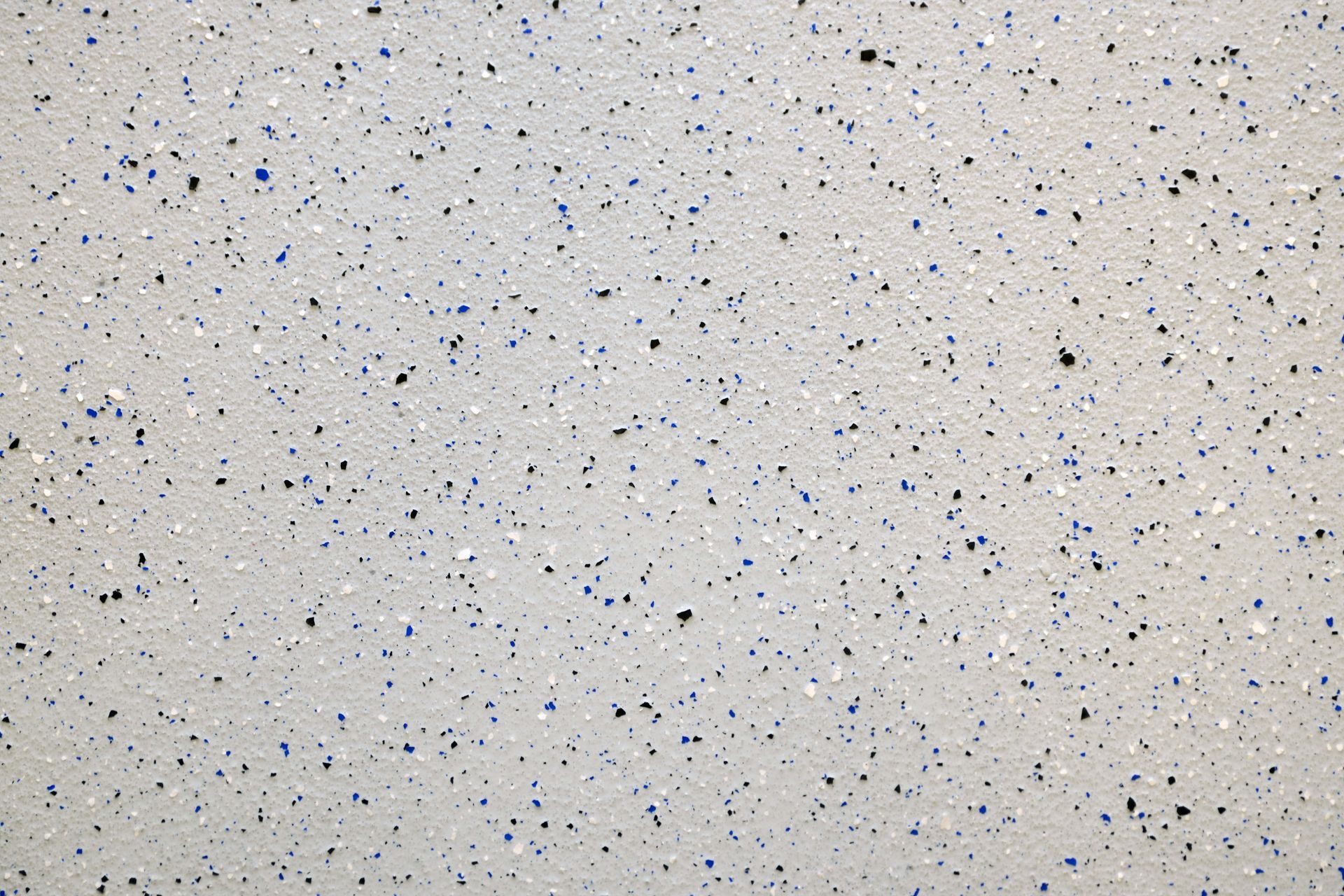
Different flooring materials create different experiences underfoot, making material selection an important part of workplace comfort. Carpet tile, resilient flooring, luxury vinyl, and other commercial materials vary in cushioning, sound absorption, durability, and maintenance requirements. An office flooring company can explain these differences and recommend options that fit specific spaces.
For example, carpet tile may help soften sound in conference rooms and open work areas, while durable resilient flooring may be better suited for entrances, break rooms, or other spaces that experience frequent spills and heavy foot traffic. Selecting materials based on how each area is used can make the workplace more comfortable without sacrificing practicality. Employees may also benefit from flooring that feels stable, smooth, and appropriate for chairs, carts, and other equipment used throughout the day.
Supporting Function Through Strategic Planning
Office flooring should support the way people move and work. A poorly planned surface can create unnecessary transitions, maintenance concerns, or obstacles in high-traffic areas. An office flooring company can evaluate the workplace layout and help determine where different materials may provide the greatest functional benefits.
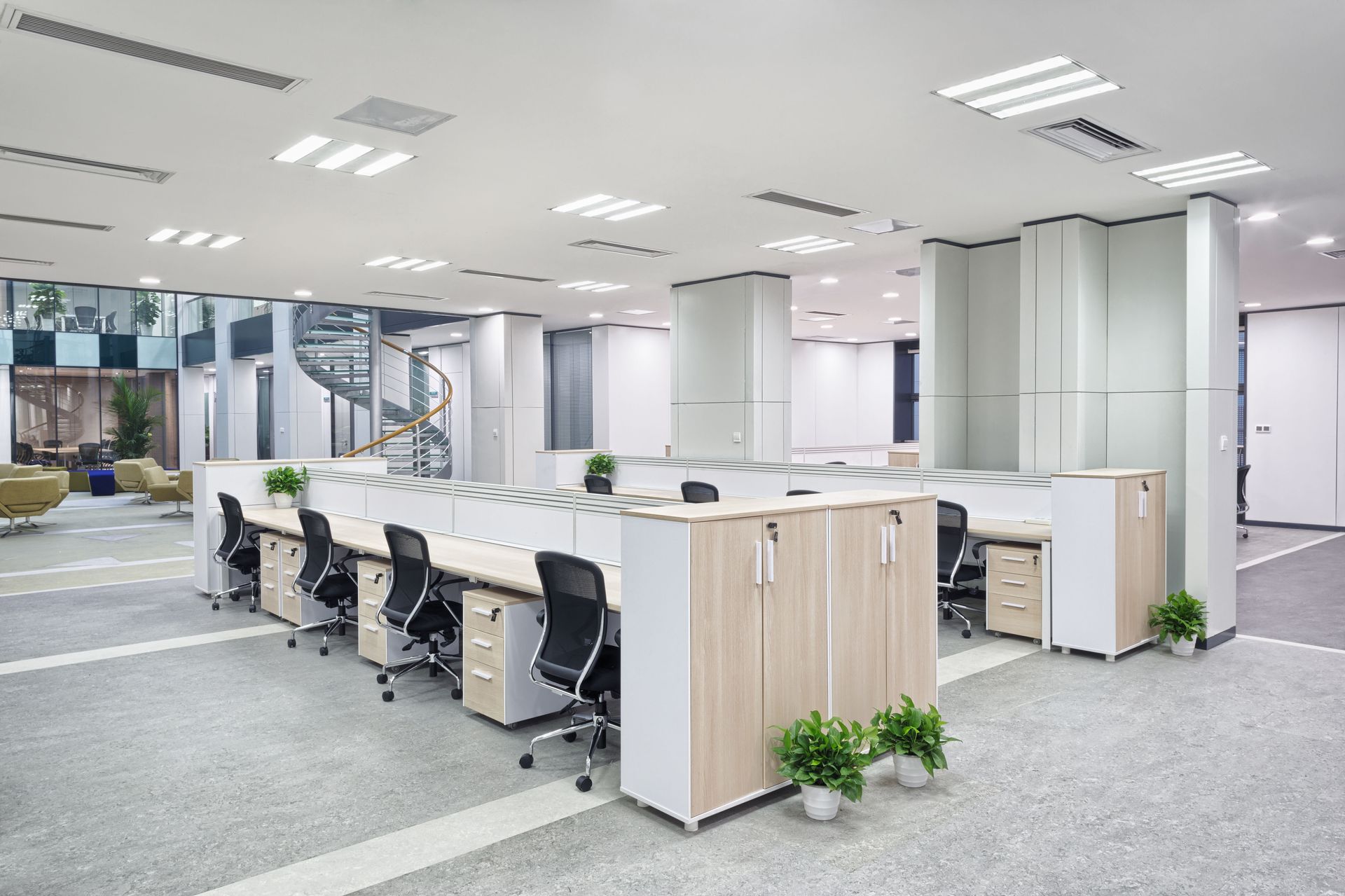
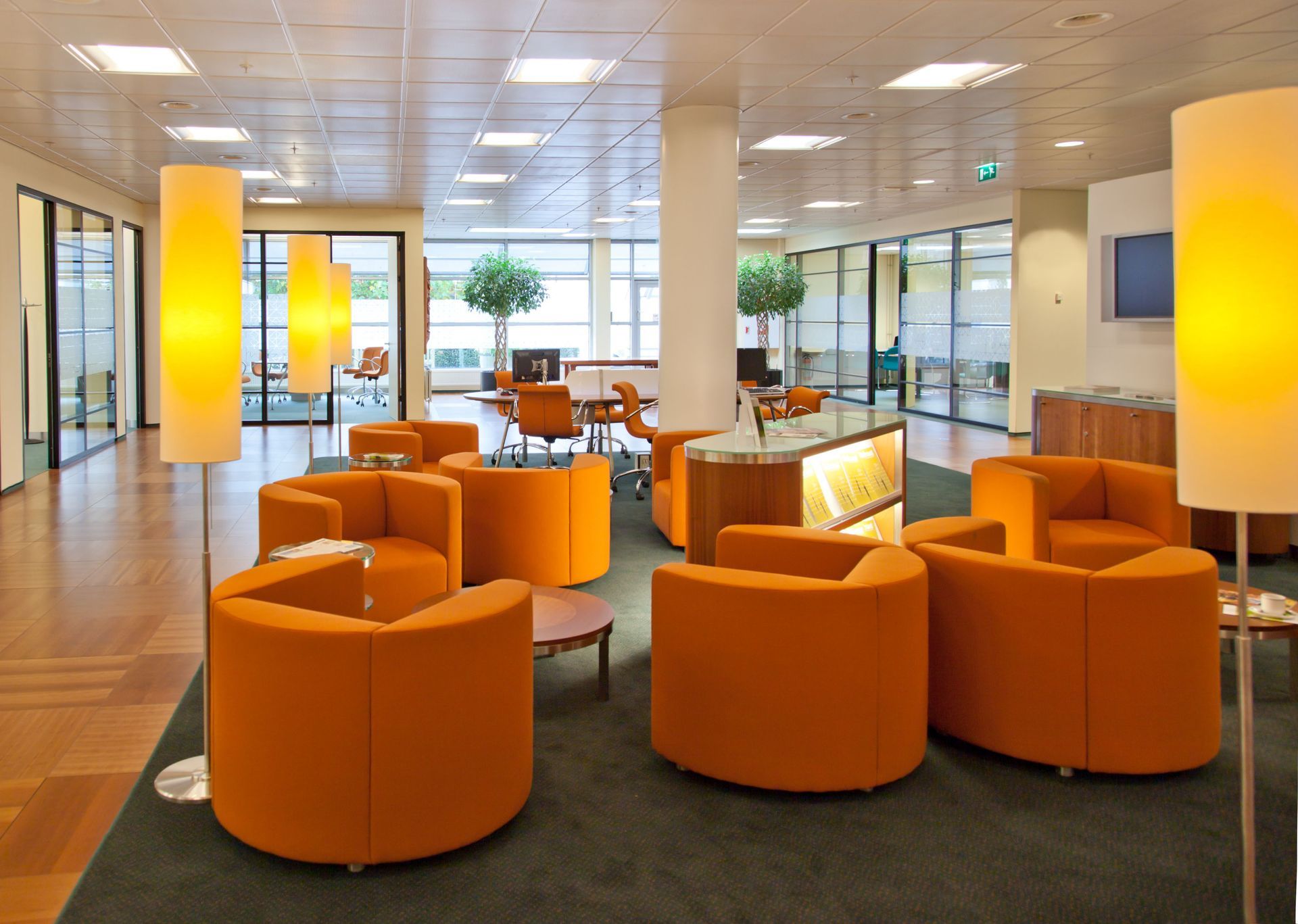
Strategic flooring choices can help separate work zones, guide movement, and make frequently used areas easier to maintain. For instance, a business may use one material in collaborative spaces and another in private offices, hallways, or reception areas. Transitions between surfaces should also be planned carefully so employees and visitors can move safely and comfortably from one area to another.
Planning flooring around workflow can be especially valuable in offices that combine individual workstations, meeting rooms, shared spaces, storage areas, and customer-facing environments. Instead of choosing one material for the entire workplace, businesses can create a coordinated flooring plan that addresses the demands of each zone.
Reducing Noise Through Thoughtful Design
Noise can affect concentration, communication, and overall workplace comfort. Hard surfaces may allow footsteps, rolling chairs, and conversations to travel more easily through open areas. An office flooring company can help businesses consider acoustic performance when comparing flooring options.
Materials with sound-absorbing qualities may be useful in offices where employees frequently participate in phone calls, virtual meetings, or collaborative discussions. Carpet and certain underlayment systems can help reduce impact noise, while strategic placement can prevent louder areas from disrupting quieter work zones.
Flooring should be considered alongside furniture, partitions, ceiling materials, and other design elements that influence acoustics. According to Zipdo, more than 60% of office furniture manufacturers report growing demand for ergonomic and adaptable seating options as hybrid work becomes more common. As workplaces continue adapting to flexible schedules and changing work styles, combining supportive furniture with carefully selected flooring can help create spaces that accommodate a wider range of activities.
Improving Safety Through Proper Installation
Even high-quality flooring can create problems if it is installed incorrectly. Uneven surfaces, loose edges, poorly placed transitions, or unsuitable adhesives may affect both appearance and safety. An office flooring company can help ensure that materials are installed according to manufacturer requirements and the conditions of the space.
Professional preparation is also important before installation begins. Existing flooring may need to be removed, subfloors may require repairs, and moisture or surface conditions may need to be evaluated. Addressing these issues before new materials are installed can help reduce the risk of premature wear or visible defects.
Proper installation can also support accessibility. Smooth transitions, stable surfaces, and appropriate flooring choices can make it easier for people using mobility devices, carts, or rolling office chairs to navigate the workplace. When safety and accessibility are considered during planning, the finished environment can function more effectively for a broader range of users.
Simplifying Maintenance Through Practical Choices
Flooring maintenance can affect both operating costs and the daily appearance of an office. Some materials require frequent deep cleaning, while others can be maintained with routine vacuuming, sweeping, or mopping. An office flooring company can help businesses compare these requirements before choosing a product.
The best option may depend on the amount of foot traffic, the likelihood of spills, and the cleaning resources available. Entrance areas, for example, may benefit from materials designed to handle tracked-in dirt and moisture. Break rooms may require surfaces that can be cleaned quickly, while executive offices or conference rooms may prioritize appearance and acoustic comfort.
Businesses should also consider how repairs will be handled over time. Modular flooring products, such as carpet tile, may allow damaged sections to be replaced individually instead of requiring a full-floor replacement. Choosing materials with manageable maintenance requirements can help workplaces maintain a clean, professional appearance with less disruption. This can be especially helpful in busy offices where cleaning schedules must fit around employees and customers.
Supporting Flexibility Through Adaptable Flooring
Modern offices often change as teams grow, departments shift, or hybrid work policies evolve. Flooring that supports flexibility can make future changes easier to manage. An office flooring company can recommend materials and installation systems that accommodate changing layouts without requiring extensive reconstruction.
Modular products can be particularly useful in flexible workplaces because individual sections may be replaced or rearranged when necessary. Flooring patterns can also help define temporary collaboration areas, circulation paths, or shared work zones without constructing permanent walls.
This adaptability can support businesses that expect their space to evolve over time. Instead of treating flooring as a purely decorative decision, companies can view it as part of the workplace infrastructure. A well-planned flooring system can support current needs while making future updates more manageable.
Creating a More Cohesive Workplace
Flooring contributes to the overall visual identity of an office. Color, texture, pattern, and material can help create a consistent environment that complements furniture, walls, lighting, and branding. An office flooring company can help businesses coordinate these elements so the finished space feels intentional rather than disconnected.
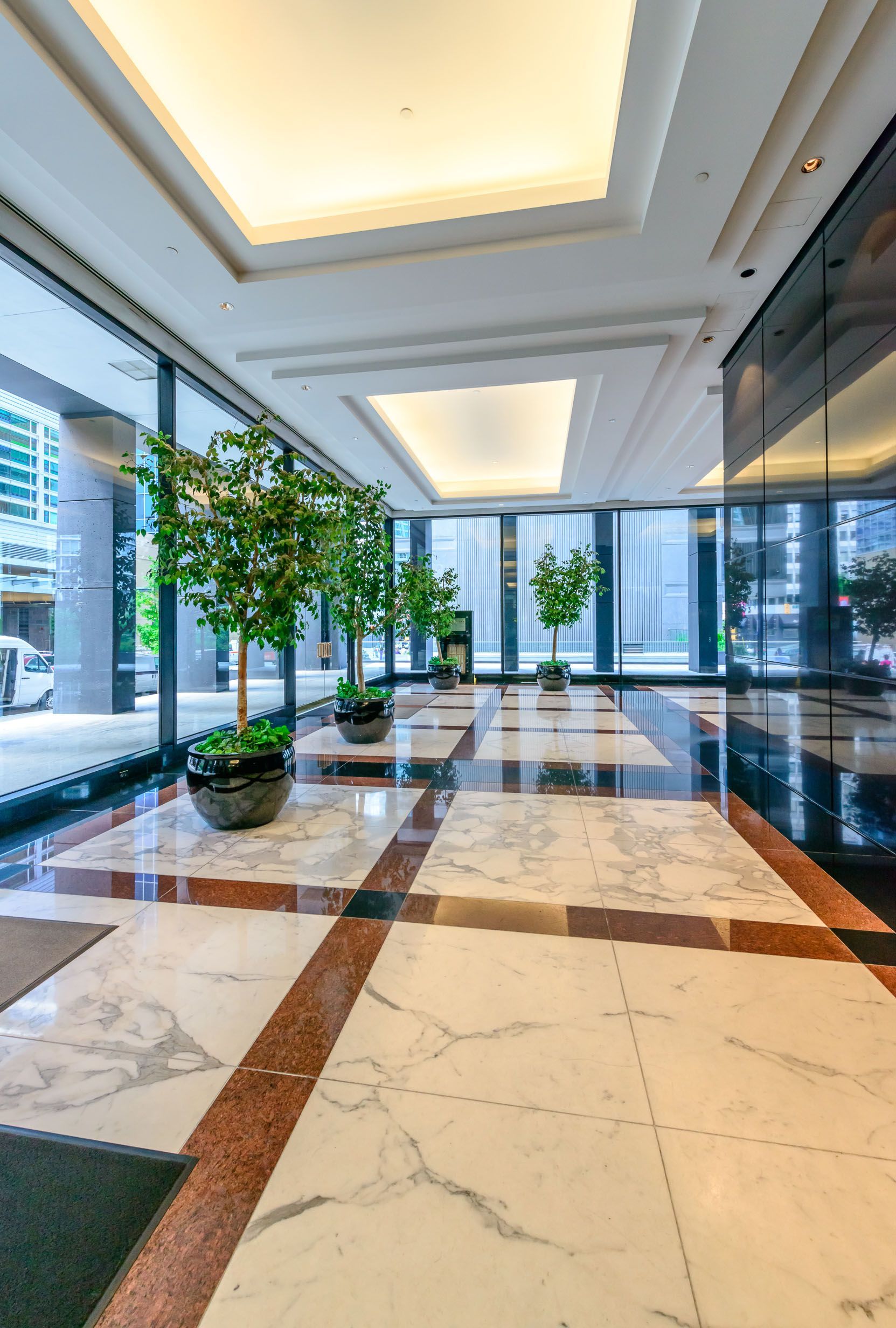
A cohesive design does not require every area to use the same flooring. Different materials can still work together when colors, patterns, and transitions are selected carefully. Reception areas may feature a polished, durable surface, while work areas use softer materials that support acoustic comfort. Conference rooms, hallways, and shared spaces can each have flooring suited to their function while remaining visually connected.
Improving an office requires balancing comfort, durability, maintenance, safety, and design. Flooring plays a role in each of these areas, making professional planning valuable for businesses that want their workplaces to function well over time. By working with an office flooring company, organizations can make informed choices that support employees, accommodate visitors, and create a more practical environment.
Call CFS Interiors & Flooring today to schedule your office furniture consultation.