November 9, 2026
Choosing the right flooring for a business requires consideration of durability, appearance, maintenance, and long-term costs. Different commercial environments have different demands, making it important to select materials that support daily operations. A reliable commercial flooring company can recommend solutions that balance performance, style, and budget.
Assessing Foot Traffic and Business Activities
Retail stores, restaurants, and healthcare facilities need flooring that withstands frequent foot traffic, spills, and regular cleaning. Offices may prioritize comfort and sound absorption while still requiring durable surfaces. Industrial facilities often need specialized materials that resist chemicals, heavy equipment, and impact damage.
Understanding how each space is used helps businesses avoid premature wear and unnecessary replacement expenses. Epoxy flooring, commercial-grade vinyl, and porcelain tile offer different benefits depending on the environment. An experienced commercial flooring company can recommend materials for your property's specific requirements.
Matching Flooring to Your Business Aesthetic
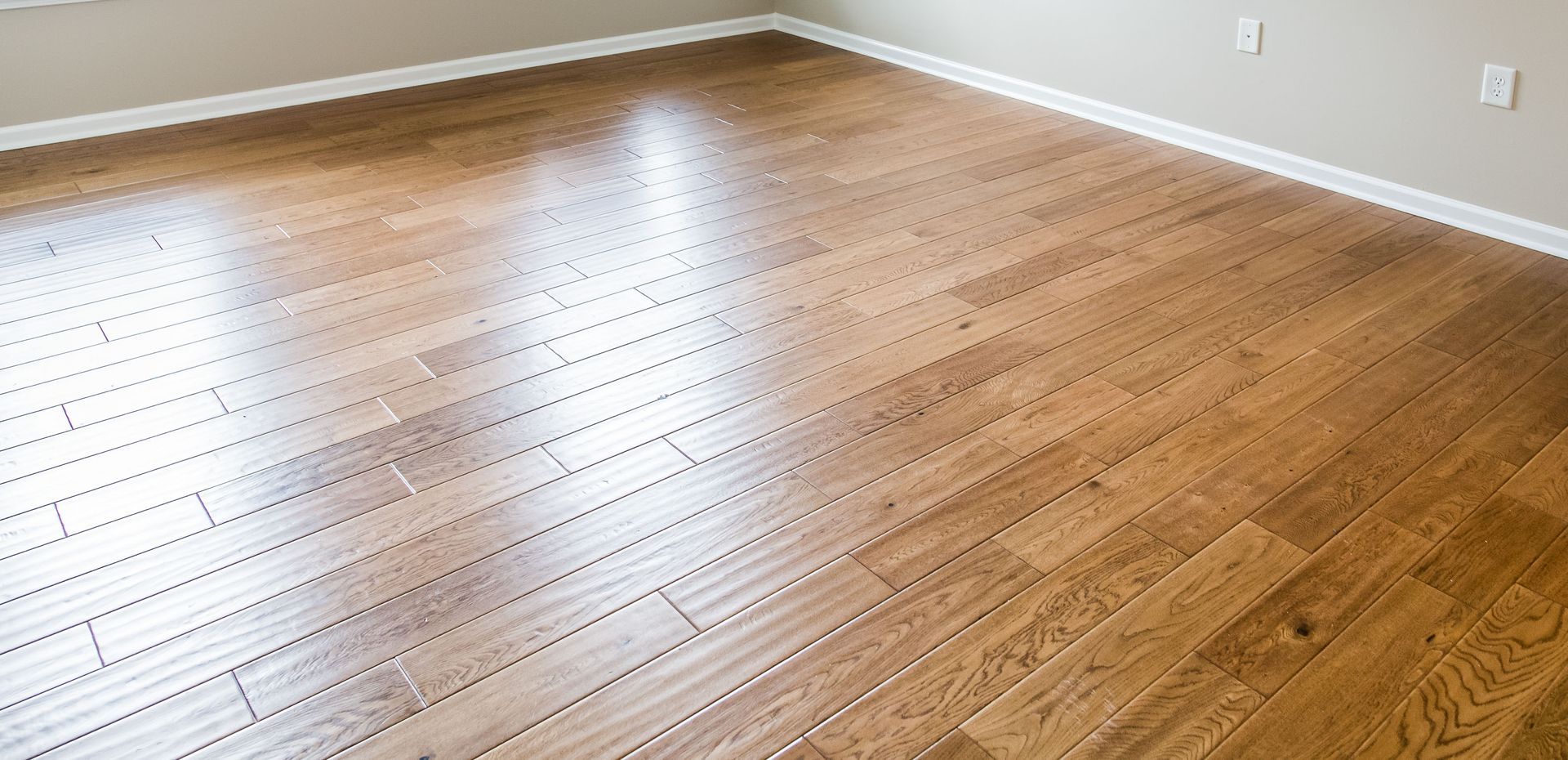
Flooring contributes to your business's atmosphere and brand identity. Polished concrete and porcelain tile complement modern interiors, while carpet tiles can create a comfortable environment in offices and hospitality spaces. Wood-look flooring offers another attractive option for businesses seeking a welcoming appearance.
According to The Spruce, vinyl flooring comes in two main types: luxury vinyl tile (LVT) and vinyl plank flooring (VPF). These types have gained popularity due to their realistic appearance, ease of installation, and resistance to moisture. A commercial flooring company can help you compare these options with other materials based on appearance, durability, and maintenance needs.
Evaluating Environmental Conditions
Humidity, temperature fluctuations, and sunlight can affect flooring performance over time. Certain wood and laminate products may be vulnerable to moisture, while some materials can expand or contract when temperatures change. Selecting flooring suited to your building's conditions helps reduce premature damage.
Entrances may require moisture-resistant surfaces with suitable traction, while sunlit rooms may benefit from products designed to minimize fading. Businesses should also consider cleaning requirements and the amount of dirt tracked inside. These factors help determine which materials will provide lasting performance.
Planning for Maintenance and Long-Term Costs
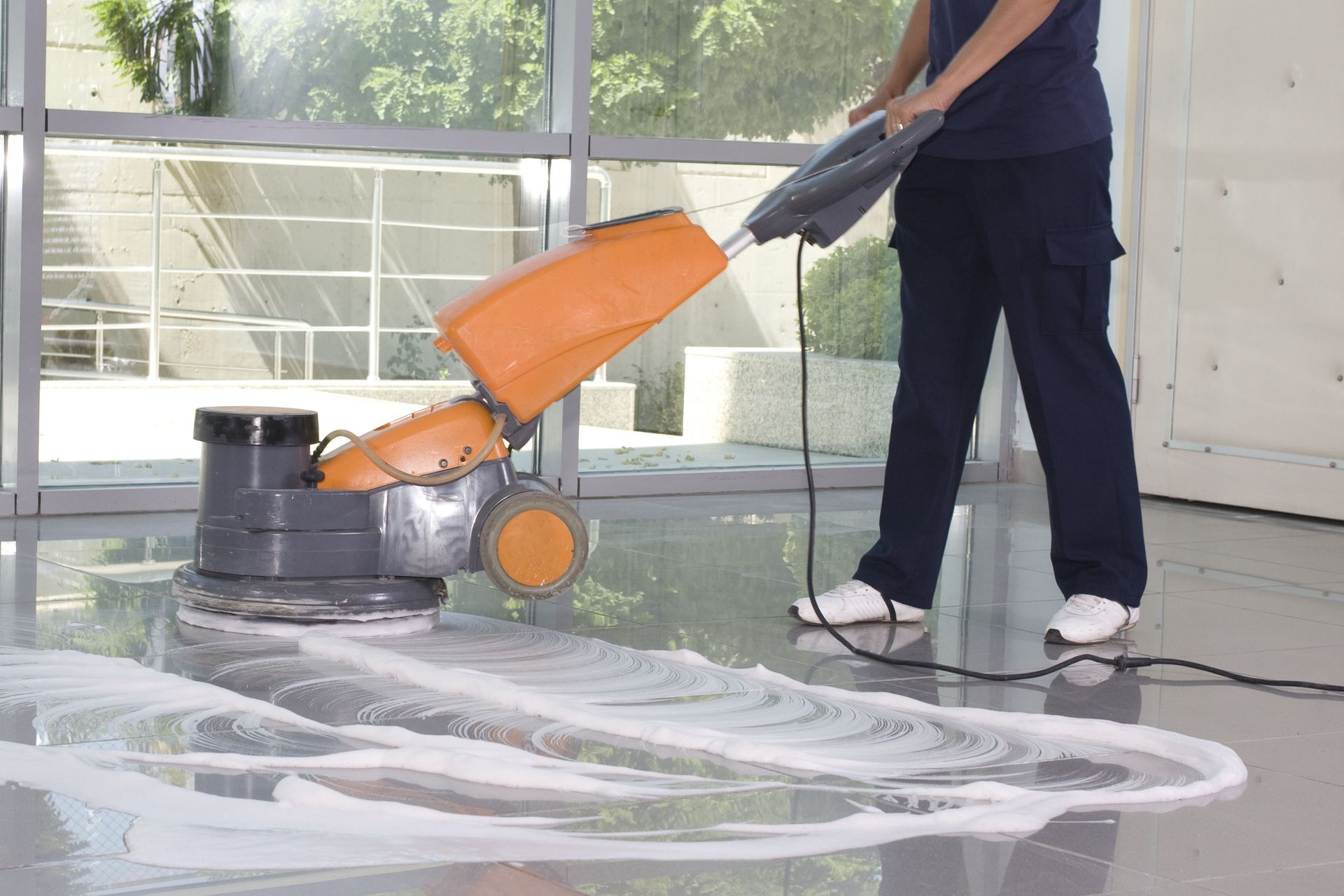
Different flooring materials have different maintenance requirements. Some surfaces require periodic sealing or specialized cleaning, while others need only routine care. Understanding these differences helps businesses plan maintenance budgets and avoid unnecessary disruptions.
Initial installation prices should be compared with expected lifespan, repair costs, and replacement frequency. Less expensive flooring may cost more over time if it wears out quickly. Choosing durable materials helps businesses manage expenses while maintaining a professional appearance.
Reviewing Company Reputation and Experience
Customer reviews and testimonials provide useful information about a flooring company's workmanship, communication, and reliability. Look for consistent feedback about scheduling, pricing transparency, and customer satisfaction. Reviews describing how a company resolved problems can be particularly informative.
Commercial experience is important because retail stores, restaurants, warehouses, and offices have different requirements. A commercial flooring company familiar with your industry is more likely to understand installation challenges and recommend appropriate products.
Examining Previous Commercial Projects
Reviewing a company's portfolio helps you evaluate the quality and variety of its completed work. Look for projects involving similar property types, flooring materials, and traffic levels. Photographs and project descriptions can reveal whether the company has experience meeting your expectations.
Ask about previous projects with requirements similar to yours, including moisture resistance or specialized flooring systems. This information helps establish whether the provider has the expertise needed for your property. A strong portfolio offers evidence of practical experience.
Verifying Credentials and Insurance
Before hiring a flooring provider, confirm that it maintains the licenses, insurance, and certifications required for your location and project. Appropriate insurance helps protect against certain accidents and property damage during installation. Specialized certifications may demonstrate experience with particular materials.
A reputable company should explain its qualifications and provide relevant documentation. Reviewing these details helps reduce potential complications and establishes confidence before work begins.
Evaluating Communication and Customer Support
Clear communication helps commercial flooring projects stay organized and on schedule. Your provider should explain material options, project timelines, preparation requirements, and potential disruptions. This information allows you to coordinate work around employees, customers, and daily business activities.
After-installation support also matters. Ask about warranty coverage, repair services, and maintenance assistance. Choosing a commercial flooring company that provides responsive customer service makes it easier to address concerns and protect your investment.
Comparing Commercial Flooring Materials
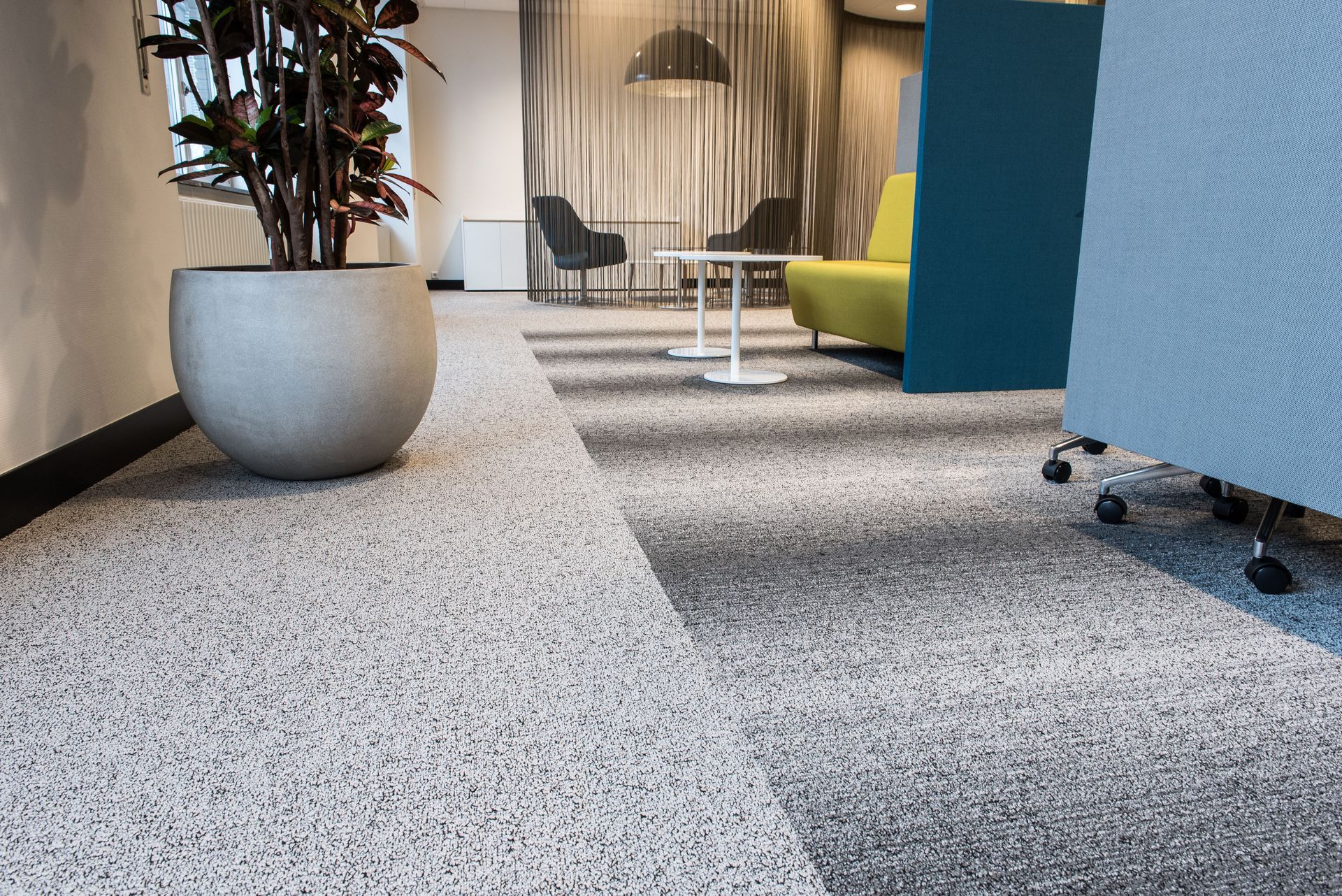
Different materials offer distinct advantages depending on the setting. Porcelain tile and concrete can withstand demanding conditions when properly specified and maintained, while vinyl offers moisture resistance and design flexibility. Carpet tiles may suit offices where comfort and noise reduction are priorities.
Epoxy flooring can be appropriate for facilities requiring resistance to chemicals and spills. Commercial-grade vinyl may work well in retail spaces and offices where easy cleaning is important. Comparing materials according to traffic, safety, maintenance, and appearance helps businesses identify suitable options.
Comparing Material Prices and Lifespan
Material costs depend on product quality, design, installation complexity, and existing floor conditions. Premium products may require a higher initial investment, but a lower purchase price does not automatically mean better value. Businesses should compare installation costs with expected lifespan and maintenance requirements.
Durable materials may reduce repair frequency and replacement expenses over time. Considering these factors together provides a clearer picture of long-term costs and helps businesses make informed decisions within their budgets.
Prioritizing Durability and Safety
Commercial flooring must withstand the stresses created by daily activities. Retail environments experience constant foot traffic, while warehouses may need surfaces that support equipment and rolling loads. Restaurants require materials that tolerate spills and frequent cleaning.
Moisture resistance and slip safety are important, particularly in kitchens, bathrooms, and entrances. Flooring should suit the property's safety requirements and cleaning procedures. Appropriate material selection and professional installation can minimize premature wear and potential hazards.
Assessing Installation Requirements
Before installation begins, the existing floor and subfloor should be evaluated for cracks, uneven areas, and moisture problems. These conditions can affect new flooring if they are not addressed properly. Identifying potential issues early helps establish realistic project costs and timelines.
Businesses should discuss installation schedules with their flooring provider. Work may need to be completed in phases to limit disruptions, particularly in customer-facing environments. A clear schedule helps coordinate employees, equipment, deliveries, and building access.
Reviewing Warranties and Project Documentation
Written estimates should outline the materials, preparation work, installation services, and additional charges. Comparing detailed proposals makes it easier to understand differences in pricing and project scope. Businesses should clarify responsibilities before approving the work.
Review manufacturer warranties and any workmanship warranty offered by the installer. Pay attention to exclusions and maintenance requirements that could affect coverage. Keeping product details and care instructions available can simplify future repairs and warranty claims.
Maintaining Flooring for Long-Term Performance
Consistent maintenance helps preserve flooring appearance and functionality. Cleaning routines should reflect traffic levels, material type, and exposure to spills or dirt. Using approved cleaning products can prevent surface damage and protect specialized finishes.
Businesses should address spills promptly and use entrance mats to reduce tracked-in debris. Routine inspections can identify damaged tiles, worn finishes, and loose transitions before problems become extensive. Timely professional repairs help extend flooring lifespan and maintain a safe environment.
Planning for Future Flooring Needs
Commercial properties may change as businesses expand, reorganize, or introduce new equipment. Flooring that suits current operations may not be appropriate if traffic increases or the space is repurposed. Considering future requirements can help prevent unnecessary replacement expenses.
Businesses planning to expand may benefit from selecting products that remain available for future repairs or additional installations. Consistent flooring styles can support a cohesive appearance across different areas. An established commercial flooring company can assist with future upgrades.
Choosing the Right Commercial Flooring Partner
Selecting commercial flooring involves more than comparing samples and installation prices. Businesses should consider durability, maintenance, safety, appearance, company experience, and warranty coverage. Reviewing portfolios, credentials, and customer feedback can help identify a suitable provider.
CFS Interiors & Flooring can help you explore flooring options suited to your property's design, traffic levels, and operational requirements. Contact CFS Interiors & Flooring to discuss your commercial flooring project and find a durable solution for your business.