October 13, 2026
Workplace design affects how employees move through a space, how clients perceive a business, and how comfortably teams can work throughout the day. Flooring plays an important role because it covers a large visual area while influencing acoustics, maintenance, safety, and atmosphere. Commercial carpet installation can help businesses create interiors that feel polished, functional, and aligned with how the space is used.
Unlike residential flooring decisions, workplace flooring often needs to support high foot traffic, rolling office chairs, changing layouts, and ongoing cleaning. Carpet can provide a practical combination of comfort and design flexibility when selected and installed with those demands in mind. By considering color, pattern, texture, durability, and placement, businesses can use flooring as part of a larger workplace design strategy.
Supporting a Cohesive Visual Design
A well-designed workplace should feel intentional from one area to the next. Flooring can help connect reception areas, offices, conference rooms, hallways, and collaborative spaces without making the interior feel repetitive. Commercial carpet installation gives businesses access to colors, patterns, and textures that can complement walls, furniture, lighting, and branding elements.
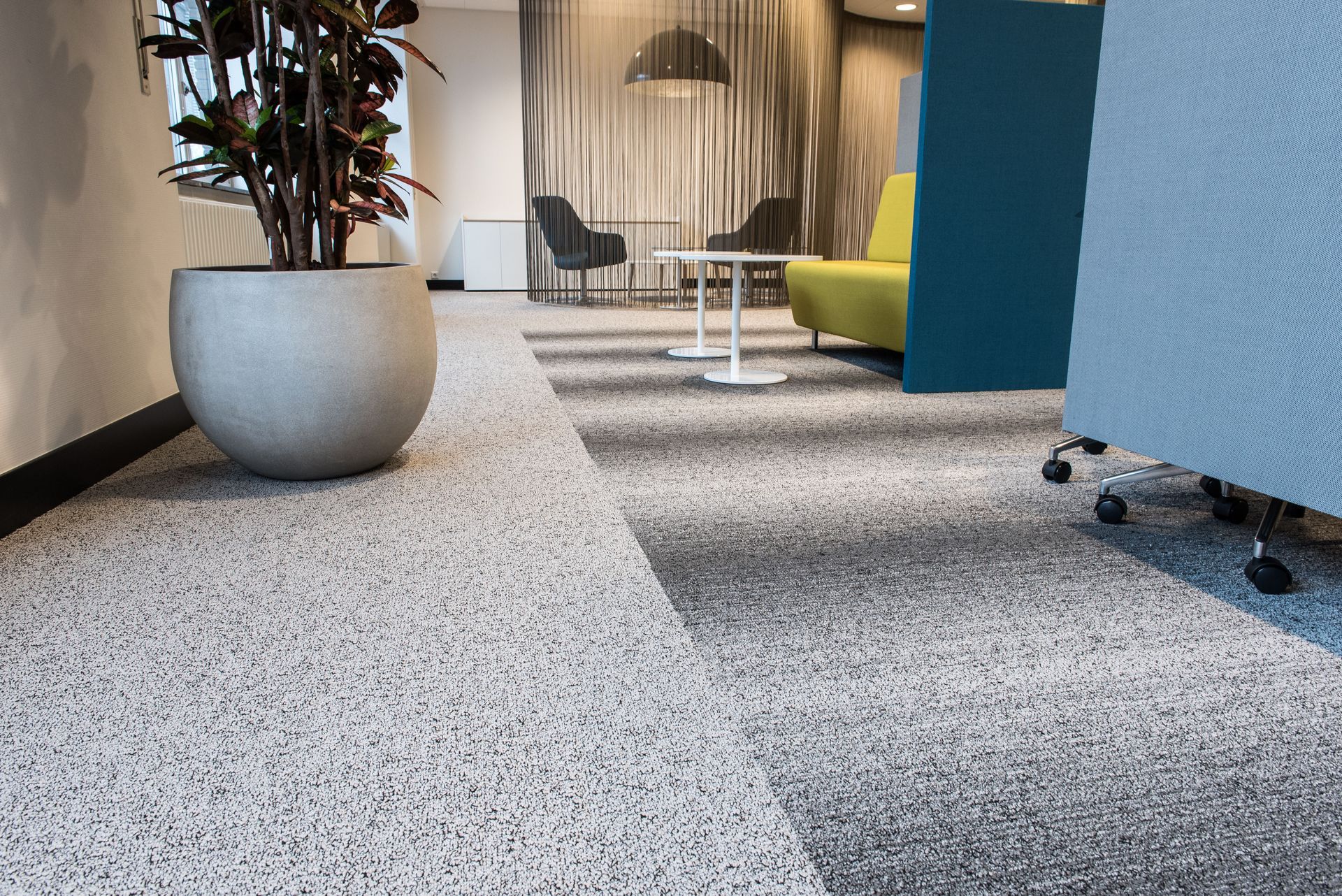
Carpet tiles and broadloom options can both contribute to a cohesive design. Neutral tones may create a calm, professional backdrop, while bolder colors or geometric patterns can add visual interest in selected areas. Businesses can also use subtle flooring changes to define zones without adding walls or permanent barriers.
When the flooring coordinates with the rest of the interior, the workplace can feel more organized and complete. A thoughtful commercial carpet installation can strengthen the visual relationship between different parts of the building while allowing each area to serve a distinct purpose.
Supporting Comfortable Work Environments
Comfort can influence how employees experience the workplace, especially when they spend long hours on-site. Carpet provides a softer surface than many hard flooring materials, which may make standing and walking more comfortable throughout the day. Commercial carpet installation can also reduce the harsh feel that sometimes develops in offices dominated by metal, glass, and other hard materials.
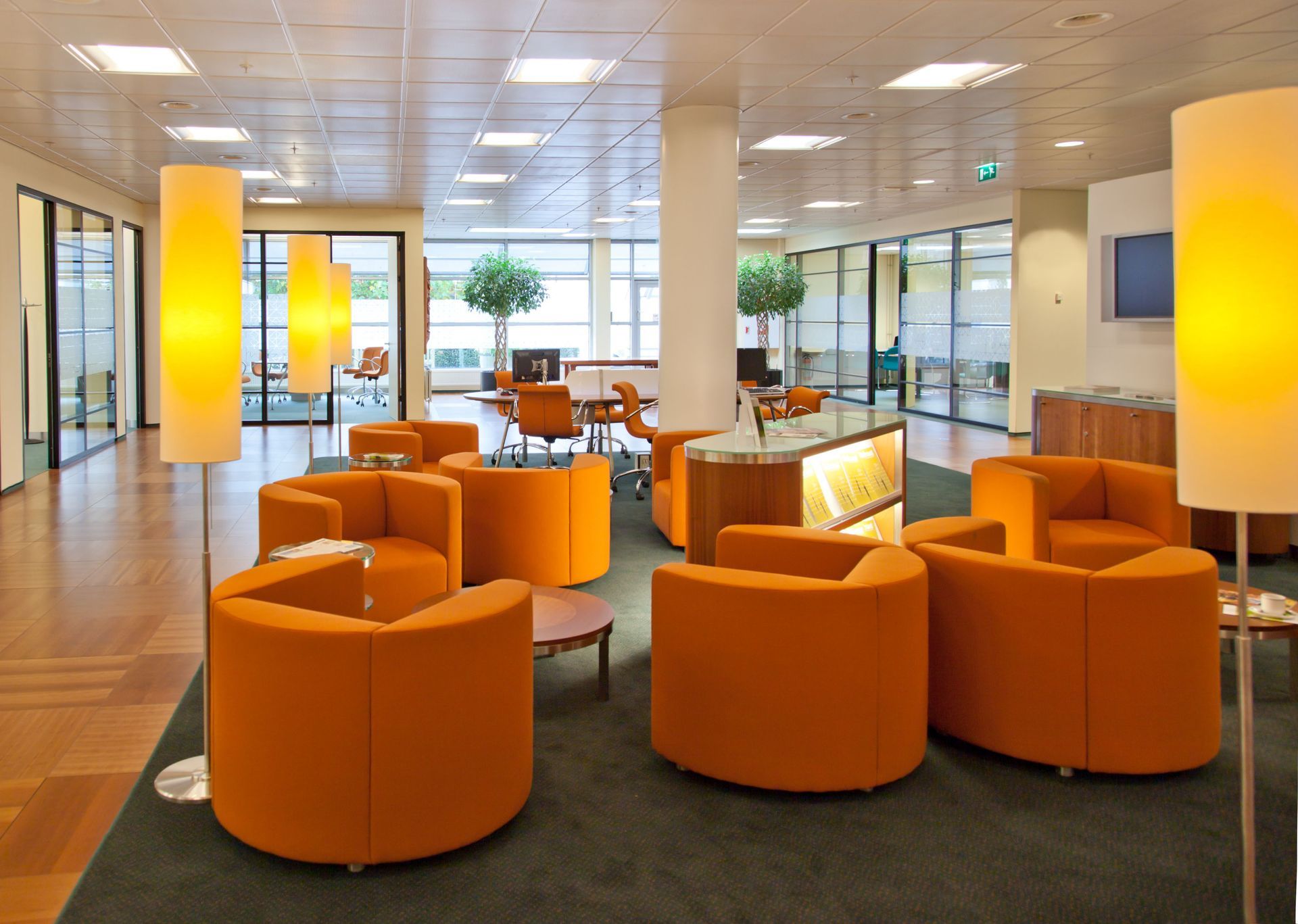
The texture of carpet can help create a warmer atmosphere in spaces that might otherwise feel overly formal or impersonal. This can be useful in waiting rooms, private offices, meeting spaces, and employee lounges where businesses may want people to feel more at ease.
Comfort also extends to temperature perception. While carpet does not replace proper heating and cooling, its surface can feel warmer underfoot than hard flooring. That difference can support a more inviting workplace environment, particularly in areas where employees spend significant amounts of time.
Supporting Better Acoustic Control
Noise can quickly become distracting in busy workplaces. Conversations, footsteps, office equipment, and hallway activity can create sound that carries across open areas. Commercial carpet installation can help absorb some of that sound, reducing the amount of noise that reflects off the floor and travels through the space.
This acoustic benefit can be valuable in open offices, call centers, collaborative workspaces, and conference areas. When sound is better controlled, employees may find it easier to focus, participate in meetings, and communicate without competing with as much background noise.
Carpet can also work alongside acoustic ceiling panels, partitions, furniture, and wall treatments as part of a broader sound-management strategy. According to Mordor Intelligence, carpets and rugs accounted for approximately 35.62% of the U.S. flooring market in 2025. That market presence reflects the continued role carpet plays in interiors where comfort, appearance, and sound control can matter.
Supporting Functional Space Planning
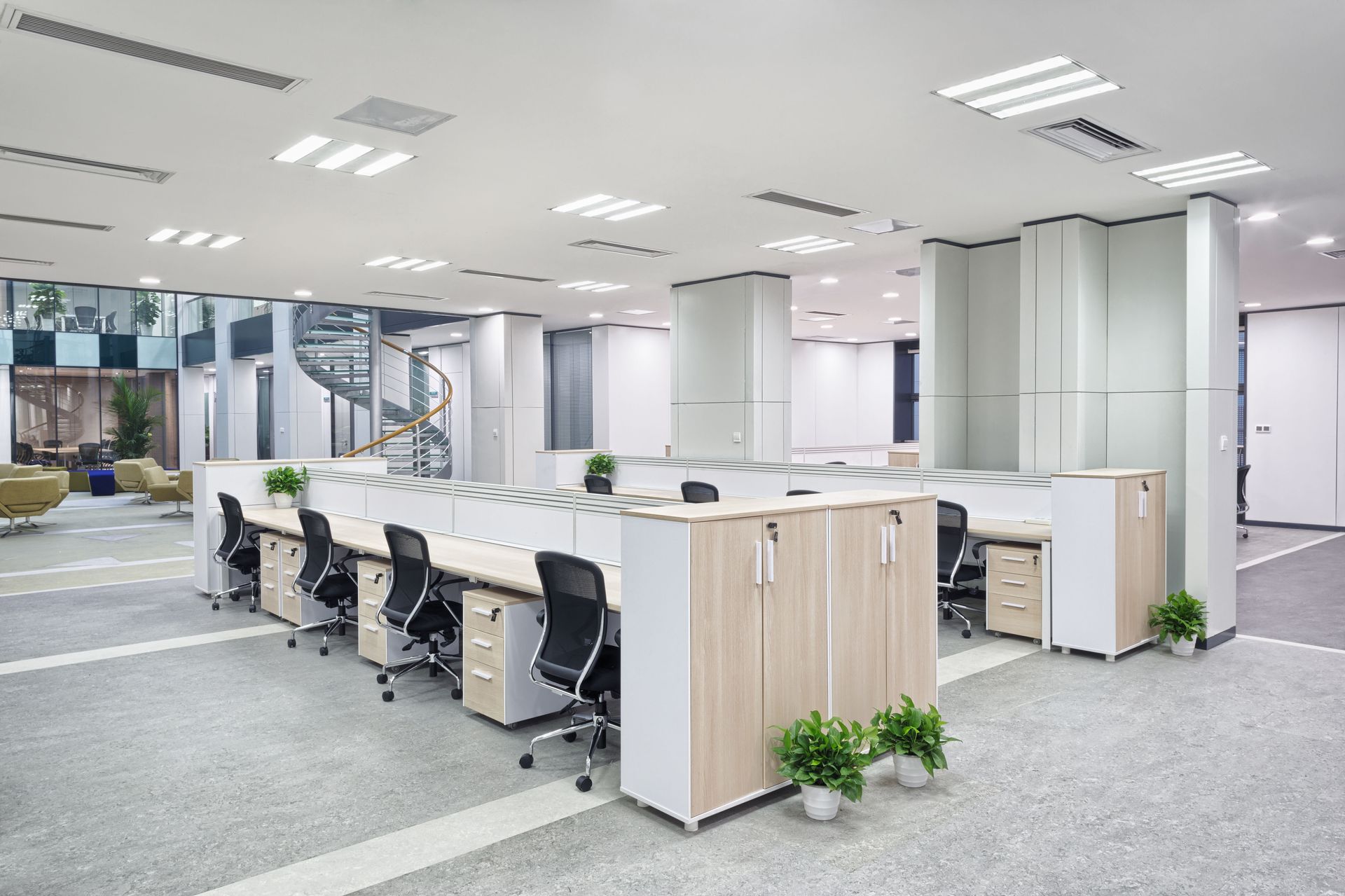
Modern workplaces often include several types of spaces within the same floor plan. An office may contain quiet work zones, shared desks, meeting rooms, break areas, reception spaces, and circulation paths. Commercial carpet installation can support this planning by helping visually distinguish one function from another.
Different carpet colors or patterns can signal transitions between departments or work zones. For example, a company might use one pattern in collaborative spaces and a more understated design in private work areas. This approach can provide visual cues without requiring signs, partitions, or major architectural changes.
Carpet tiles can be useful in workplaces where layouts may change over time. Individual tiles can create defined patterns, borders, or directional designs that help guide movement through the space. If a business later rearranges furniture or repurposes an area, the flooring design may be easier to adapt than more permanent design features.
Supporting Long-Term Maintenance Needs
Workplace flooring should be selected with maintenance in mind because appearance can decline if the material does not match the demands of the environment. Commercial carpet installation allows businesses to choose products designed for frequent foot traffic, regular cleaning, and everyday wear in offices and public-facing spaces.
Carpet tiles can offer practical maintenance advantages because individual sections may be replaced if they become stained or damaged. Instead of replacing an entire room, a business may be able to address only the affected area. This can help preserve the overall appearance while reducing disruption.
Color and pattern selection can also influence how well flooring maintains its appearance. Multitone designs may help disguise minor soil or wear between cleanings, while very light or solid colors may require more frequent attention. Planning for maintenance during the design stage can help businesses choose flooring that continues to support the intended look.
Supporting Safer Movement Through the Workplace
Workplace design should account for how employees, customers, vendors, and visitors move through the building. Flooring can influence traction, transitions between rooms, and the ease of navigating the space. Commercial carpet installation can provide a stable walking surface when the carpet is properly selected, fitted, and maintained.
Transitions between carpet and hard flooring should be planned carefully so height differences do not create unnecessary obstacles. Entryways and high-traffic corridors may also require materials that can handle repeated movement without curling, shifting, or wearing unevenly.
Flooring layouts can contribute to wayfinding as well. Changes in color or pattern can help draw attention to entrances, corridors, service counters, or gathering areas. When design and functionality work together, flooring can support movement without relying entirely on signs or architectural barriers.
Supporting a More Flexible Workplace Design
Workplaces continue to evolve as businesses adjust staffing, technology, furniture, and space usage. Flooring that works with those changes can make future updates easier to manage. Commercial carpet installation can support flexibility by offering modular options, varied design choices, and products suited to different traffic levels.
Businesses can use carpet to refresh an existing interior without completely redesigning the space. Updating flooring may help modernize an office, reinforce new branding, or create clearer zones after a layout change. Because carpet is available in many styles, it can fit workplaces ranging from traditional offices to creative studios and customer-facing environments.
The most effective flooring decisions consider both current needs and future possibilities. By evaluating traffic patterns, maintenance expectations, acoustics, comfort, and visual goals, businesses can choose carpet that contributes to the workplace instead of simply covering the floor. A carefully planned installation can support a professional appearance while helping the space function effectively for the people who use it each day.
Commercial carpet installation can play a meaningful role in workplace design by bringing together appearance, comfort, acoustics, maintenance, safety, and flexibility. When flooring is chosen as part of the overall design plan, it can help create a space that feels consistent, practical, and suited to daily business activity. Call CFS Interiors & Flooring today to schedule your commercial carpet installation.