August 3, 2026
In the modern age of interior design, the role of flooring has transcended mere function to become a pivotal element in the creation of engaging and productive office environments. As workspaces evolve to accommodate new paradigms and technologies, so too must the flooring solutions adopted within them. This article explores a wealth of innovative and practical flooring ideas, each tailored to enhance the aesthetic and functionality of contemporary offices.
1. The Role of Flooring in Office Design
Flooring choices in office design play a critical role in crafting a lasting first impression. Prospective clients, potential hires, and important visitors often judge an organization based on their initial visual and spatial experiences, with flooring as an essential visual cue. It sets the tone for everything from company culture to the level of professionalism on display. Choosing the right flooring option can communicate values, attention to detail, and an appreciation for aesthetic harmony. Meanwhile, an inspiring and comprehensive flooring strategy aligns visuals with business values, reinforcing the desired image.
Beyond initial impressions, flooring selections dramatically enhance the overall aesthetics of a workplace. The right flooring can unify disparate design elements, creating a cohesive and enticing environment. It can be a source of inspiration, influencing employee creativity and morale by augmenting the work setting with visually appealing elements. Colors, textures, and patterns in flooring can complement architectural design, making spaces feel dynamic, comfortable, or anything in between. Effective flooring solutions harmonize with other office elements to refine and elevate the aesthetic experience for both staff and visitors.
Flooring significantly impacts employee productivity by influencing their daily work environment. Comfortable and ergonomic flooring solutions minimize fatigue, reduce strain, and foster happier, more active employees. A strategic approach to flooring can also mitigate noise, creating a calmer and more focused work atmosphere that allows employees to operate efficiently. Furthermore, the maintenance aspect of flooring affects productivity through ease of cleaning, minimizing disruptions during work hours. Overall, the right flooring underpins a productive office space, influencing not only how people feel but how effectively they can perform their tasks.
2. Popular Types of Office Flooring
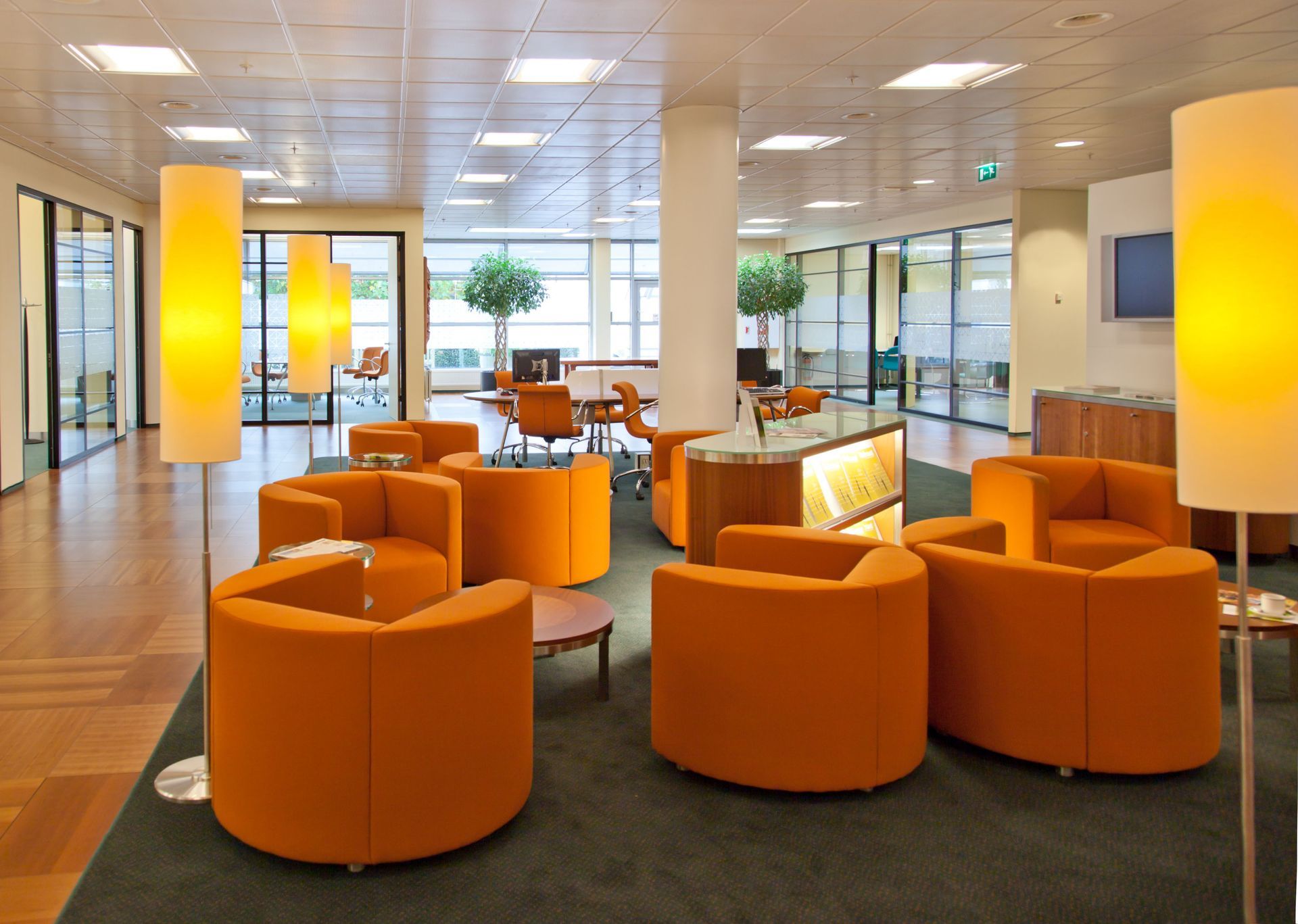
Carpet tiles are a popular choice in office environments due to their versatility and comfort. They are available in a myriad of colors, designs, and patterns, allowing for creative freedom in expressing a space's aesthetics and serving as a gentle underfoot material that can reduce noise levels effectively. Carpet tiles are particularly advantageous as they are easy to replace; single damaged tiles can be swapped out with minimal disruption to office operations. This efficient maintenance process contributes to the longevity of carpet tiles as a flooring solution, making it both an economical and practical choice for busy offices. In a country with 22,987 flooring stores such as the United States, options abound for selective customers seeking specific aesthetic outcomes.
Vinyl flooring, known for its affordability and style, offers a compelling alternative for office spaces needing the balance of budget and aesthetics. With advancements in manufacturing technology, vinyl can mimic high-end finishes such as wood and stone while being more cost-effective. Vinyl is known for its durability and easy maintenance, proving itself resistant to scratches and stains, thus suitable for high-traffic areas where appearances and cleanliness are prioritized. Its ability to repel moisture also makes it a prime candidate for areas prone to dampness. This practicality, coupled with a range of styles, makes vinyl flooring a favored option in diverse office environments.
Hardwood flooring remains a timeless, elegant choice that imparts a sense of luxury and warmth in office settings. It brings a touch of nature indoors, adding a classic appeal that can be matched to both modern and traditional interior designs. Despite its higher initial cost, the longevity and aesthetic appeal of hardwood can pay dividends in enhancing a space's value. With proper care and maintenance, hardwood floors can last for decades, resisting wear and maintaining their charm. For businesses seeking to communicate a sense of permanence and authenticity, hardwood floors remain a compelling choice.
3. Sustainable Flooring Options
Sustainability is a growing consideration in modern office design, and bamboo flooring presents an eco-friendly and fashionable solution. Bamboo grows rapidly, making it a highly renewable resource that minimizes environmental impact. It offers the strength and durability of traditional hardwoods while being more affordable and conscientious of environmental conservation. Its natural appearance promotes a tranquil workplace setting, enhancing both the well-being of employees and the company's sustainability narrative. Bamboo's inclusion in the office environment underscores a commitment to consciousness that resonates with environmentally-aware stakeholders.
Recycled carpet options are carving out a significant niche as businesses aim to strengthen their sustainable initiatives. Utilizing discarded materials, these carpets reduce waste and promote a circular economy, aligning with greater corporate social responsibility goals. Their production often entails fewer resources, making them an environmentally preferable choice without sacrificing quality or aesthetic potential. Recycled carpets are available in numerous designs and finishes, allowing businesses to project their environmental ethos while maintaining vibrant, modern spaces. With market availability increasing, businesses can access these solutions with relative ease, especially in regions with diverse flooring outlets.
Cork flooring blends comfort with conservation and is increasingly embraced in eco-friendly office designs. As a natural and renewable material harvested without harm to the tree, cork speaks volumes about an organization’s commitment to environmental stewardship. It provides a soft, cushioned surface, ideal for creating warm, acoustic-friendly environments that reduce noise and enhance comfort. Cork flooring is also naturally resistant to mold and mildew, increasing its desirability in sensitive settings. Its inherent thermal insulating properties further augment energy efficiency, substantiating cork's value in a well-rounded ecological office strategy.
4. Innovative Flooring Trends in Modern Workspaces
Smart flooring marks a pivotal innovation in contemporary workspaces, merging technology with traditional materials to create intelligent environments. These floors can include sensors that track movement, contribute to building data analytics, and enhance security systems by identifying unauthorized uses of space. Outside of security, they can aid in optimizing office layouts by providing insights into workspace utilization, guiding adjustments to improve efficiency and employee satisfaction. The integration of technology assists in streamlining management operations and decision-making processes within the office. This convergence of technology and flooring not only modernizes but enhances the overall strategic approach to office design.
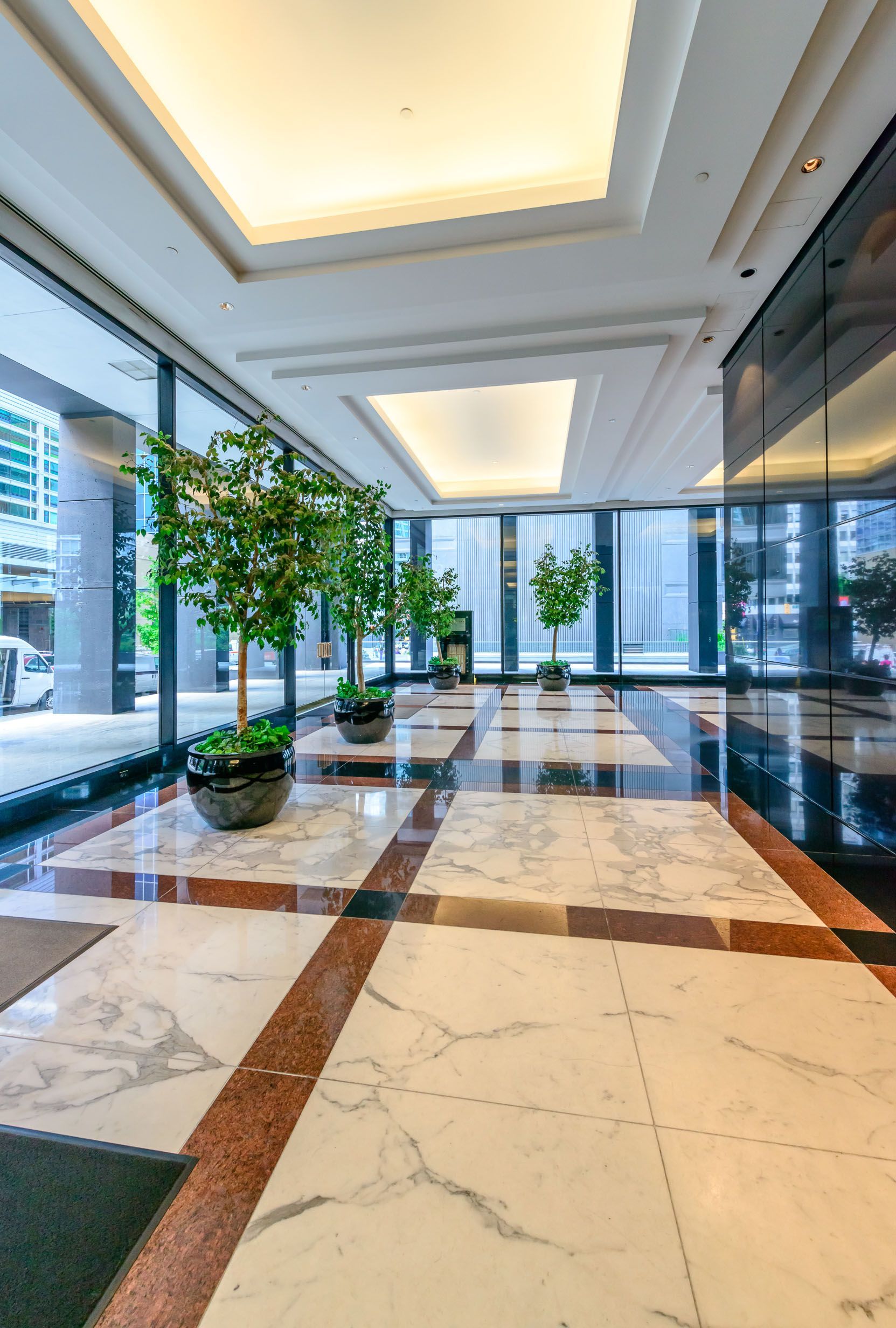
Patterned floors are gaining traction as a way to enrich offices with visual dynamics and cultural expressions. Such designs can invoke feelings of creativity, tradition, or futuristic visions, depending on the chosen aesthetic. Companies explore varied patterns that align with their brand identity or thematic office design, fostering an environment that communicates values and energizes employees. Patterns can visually break up large spaces, adding intrigue without overhauling existing office architecture. The use of texture and color variations introduce subtle yet effective ways to influence mood and convey organizational culture meaningfully.
The selection of office flooring represents more than an aesthetic decision; it is a fundamental component in shaping the modern work environment. As elucidated throughout this article, the myriad of flooring options—ranging from sustainable choices to innovative trends—carries the potential to redefine workspace dynamics. These choices merge functional and stylistic considerations, empowering businesses to cultivate engaging, productive, and inspiring settings. According to Rentech Digital, there are a total of 22,987 flooring stores in the United States. With thoughtful design and strategic implementation, flooring serves not only as a foundation beneath a workforce but as an integral part of organizational identity and efficacy. Embracing innovative flooring solutions presents an opportunity to transform office environments into vibrant, contemporary workspaces that resonate with employees and clients alike. Be sure to reach out to CFS Interiors & Flooring today to learn more about our professional office flooring!