October 15, 2026
Choosing new flooring involves more than selecting a color or pattern that looks appealing. Hardwood, laminate, and carpet each offer different characteristics related to comfort, durability, maintenance, appearance, and room function. A flooring contractor can help homeowners compare these characteristics according to how individual spaces are used. Understanding the differences between these popular flooring categories makes it easier to develop a flooring plan that complements both the home and the household's everyday needs.
Evaluate Hardwood Flooring
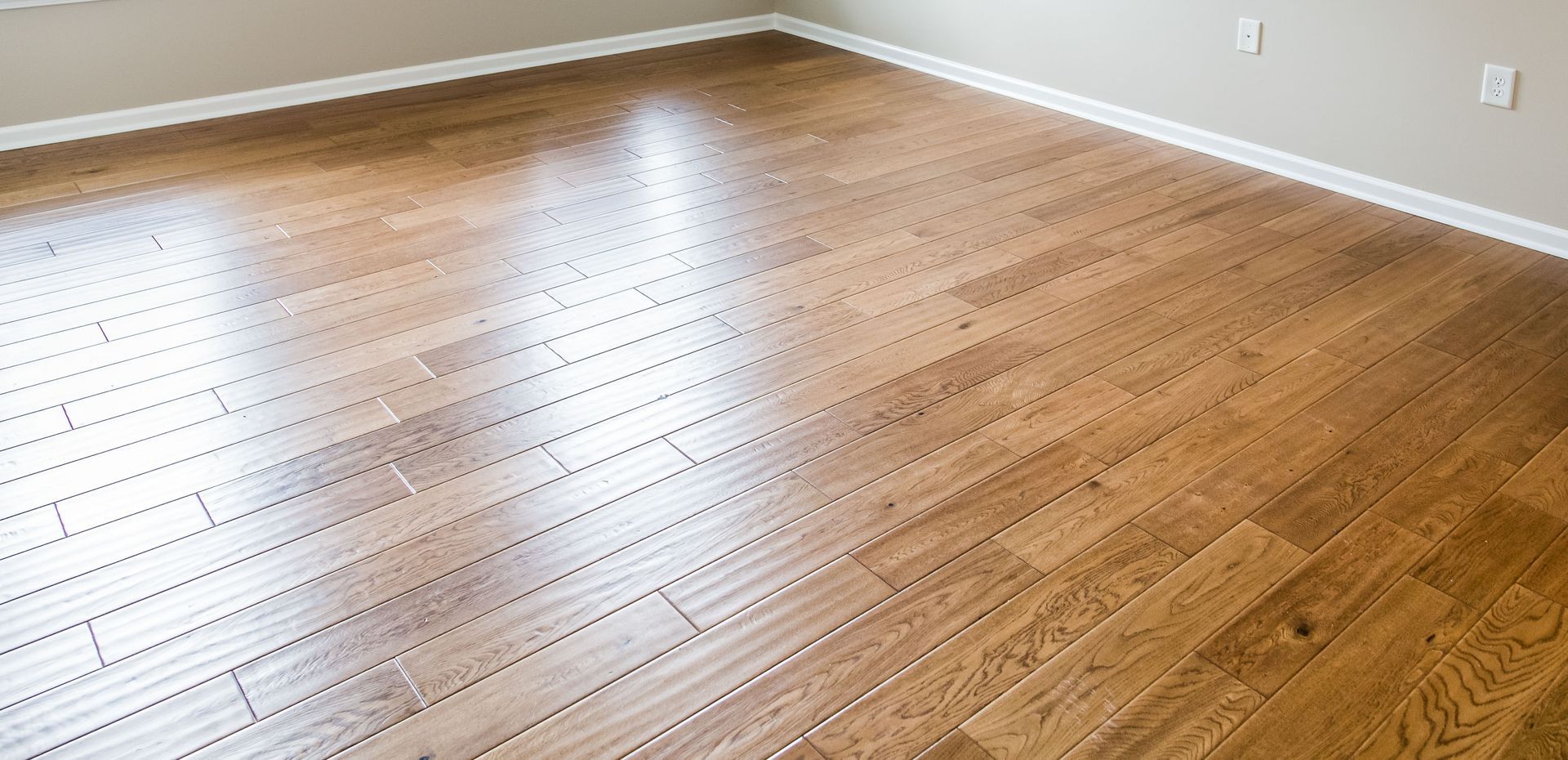
Hardwood flooring provides a natural appearance that can complement many interior styles. It is available in different wood species, colors, finishes, plank widths, and patterns, allowing homeowners to create a distinctive look throughout living spaces. A flooring contractor can discuss these options and explain how particular hardwood products may work with the home's architecture, furnishings, and overall design. Hardwood can also provide a long-lasting surface when the selected product is appropriate for the room and properly maintained.
However, hardwood may not be the right choice for every area of a home. Moisture exposure, traffic levels, pets, furniture, and household routines should all be considered before selecting it for a particular space. Rooms with conditions that are less compatible with wood may call for another flooring category. Evaluating the property's individual rooms helps homeowners determine where hardwood can provide the combination of appearance and performance they want.
Compare Laminate Flooring
Laminate flooring offers homeowners another way to achieve the appearance of wood or other decorative materials. Modern laminate products come in numerous colors, textures, plank designs, and finishes, making it possible to coordinate the flooring with many interior styles. A flooring contractor can compare available products based on room function, expected traffic, appearance, and other practical considerations. This makes laminate an option worth evaluating when homeowners want design flexibility alongside a manufactured flooring surface.
Laminate can also provide a consistent appearance across connected areas of a home. Because products are manufactured with specific surface designs, homeowners can choose from a wide selection without relying exclusively on natural wood characteristics. Different laminate products can have different performance specifications, so product selection remains important. Considering moisture exposure, traffic, maintenance expectations, and room usage can help identify an option that fits the property.
Assess Carpet Flooring
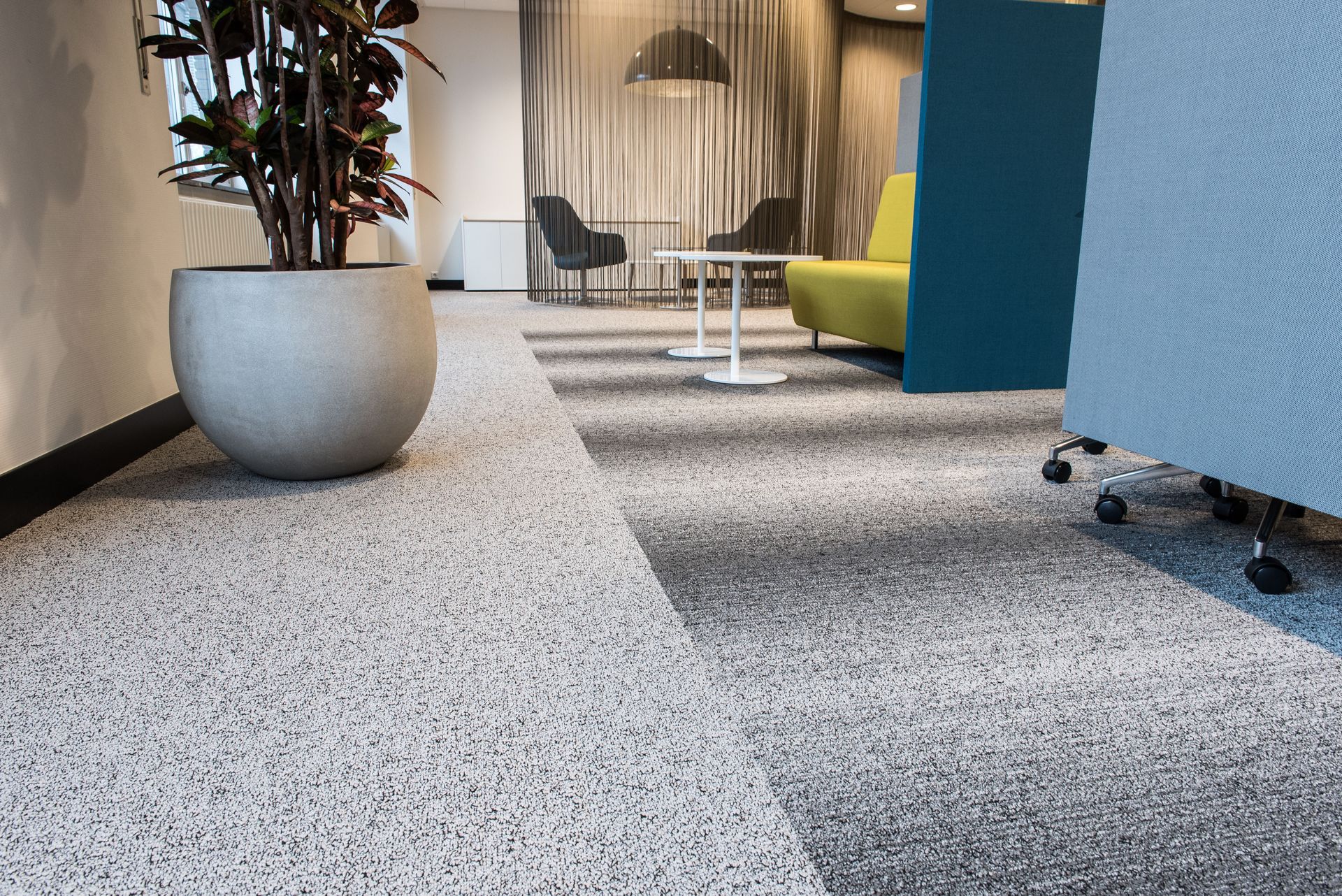
Carpet offers a softer surface than hardwood and laminate, making it appealing for bedrooms, family rooms, and other areas where comfort is a priority. It is available in different fibers, colors, patterns, textures, and pile styles, giving homeowners many ways to coordinate flooring with their interiors. A flooring contractor can explain how these characteristics affect the appearance and feel of individual carpet products. Carpet can also create a warmer visual atmosphere in spaces designed around relaxation and comfort.
Carpet can influence the acoustic character of a room as well. Its textile surface can help create a softer environment and reduce some of the sound associated with movement across hard flooring. Different carpet constructions are suited to different levels of household activity, so selecting a product based on the room's use is important. Homeowners should consider traffic, pets, maintenance routines, and desired comfort when evaluating carpet.
Match Flooring to Room Function
The purpose of each room should be an important part of the flooring decision. Bedrooms may benefit from carpet's softness, while living rooms and dining areas may suit hardwood or laminate depending on the desired style and household activity. Hallways, entryways, and other high-traffic areas require consideration of how frequently the surface will be used. A flooring contractor can compare flooring characteristics with these demands to help homeowners make more practical selections.
Room function also affects maintenance expectations. A busy household may prefer a flooring material that aligns with its cleaning routine, while another household may place greater emphasis on comfort or visual character. There is no universal material that automatically fits every space. Evaluating each room separately can help homeowners create a flooring plan that balances practicality with a consistent interior design.
Consider Durability and Maintenance
Hardwood, laminate, and carpet each respond differently to everyday wear. Foot traffic, furniture, pets, spills, and other household conditions can affect flooring over time, but the nature of that wear depends on the selected material and product construction. A flooring contractor can explain how specific flooring options are expected to perform under the conditions found in the home. This product-specific comparison is more useful than judging an entire flooring category based on general assumptions.
Maintenance requirements also vary between materials. Hardwood requires care appropriate for finished wood surfaces, laminate has its own cleaning considerations, and carpet needs regular attention to remove dirt and preserve its appearance. Household routines should therefore influence the selection process. Choosing a material that fits the amount of maintenance a homeowner is prepared to perform can make long-term ownership more manageable.
Evaluate Comfort and Interior Style
The appearance and feel of flooring can influence the atmosphere of an entire room. Hardwood can contribute natural visual character, laminate can offer a broad range of decorative designs, and carpet can add softness and texture. A flooring contractor can help homeowners compare colors, finishes, patterns, and textures while considering the home's existing walls, furnishings, cabinetry, and architectural features. This approach can help ensure that the selected flooring supports the overall interior design rather than competing with it.
Room size and lighting can also affect how flooring appears after installation. Darker surfaces may create a different visual effect from lighter materials, while plank width and carpet patterns can influence the perceived proportions of a room. Natural and artificial lighting can further change how colors and finishes appear throughout the day. Reviewing flooring samples within the context of the home's existing design can make comparisons more meaningful.
Consider Long-Term Home Needs
Flooring choices should account for more than current preferences. Changes in family size, pets, room functions, furniture arrangements, or interior design goals can influence whether a selected material remains suitable over time. A
flooring contractor can help homeowners consider these possibilities when comparing products for different spaces. Thinking about future needs can reduce the likelihood of selecting flooring that works for today's circumstances but becomes impractical later.
Homeowners can also decide whether to use one flooring material throughout connected areas or combine different materials according to room function. Open floor plans may benefit from coordinated flooring, while bedrooms or other private areas may accommodate different textures. Transitions between materials should be considered as part of the overall design. Planning these relationships early can help create a cohesive result throughout the home.
Understand Residential Flooring Demand
Residential flooring represents a substantial portion of the overall flooring industry. According to ZipDo Education Reports, residential flooring makes up approximately 60% of the total flooring market. This figure highlights the significant role that homeowners play in flooring demand and reflects the wide variety of materials available for residential projects. Hardwood, laminate, carpet, and other flooring categories can serve different needs within this broad market.
The size of the residential segment also reflects the diversity of household preferences and property requirements. Homeowners may prioritize appearance, comfort, durability, maintenance, or room-specific performance when choosing materials. Because those priorities differ between properties, comparing individual products is important. Professional guidance can help narrow available choices according to the characteristics of the home.
CFS Interiors & Flooring can help homeowners evaluate hardwood, laminate, and carpet options for different areas of their properties. Our team can discuss material characteristics, room requirements, design preferences, maintenance considerations, and installation needs while helping you develop a cohesive flooring plan. We focus on matching flooring choices with the way your home is used and the look you want to create. Contact CFS Interiors & Flooring to discuss your flooring project and explore options suited to your home's individual needs.