November 16, 2026
Commercial buildings rely heavily on porcelain tile to provide a clean, refined appearance that stands up to heavy foot traffic. Beneath that dense ceramic surface, however, moisture migration can compromise adhesive bonds, degrade grout, and create serious structural challenges for facility managers. Successfully addressing these underlying moisture conditions requires technical diagnostic tools, specialized chemicals, and deep building science experience. Understanding how commercial floor restoration teams tackle subfloor vapor transmission helps property managers protect their physical assets and maintain safe, durable floor systems.
Assessing the Hidden Behavior of Porcelain Surfaces
Many facility supervisors assume that hard-tiled surfaces act as solid waterproof barriers against liquid intrusion. While the tile units resist water penetration, water vapor moves through subfloors, setting beds, and perimeter joints. According to The Spruce, porcelain tiles are not waterproof, but they are considered impervious to water, which means they absorb no more than 0.5% of their weight after being boiled for five hours and soaking for 24 hours.
Because porcelain exhibits such minimal porosity, water vapor escaping upward from an unsealed concrete subfloor cannot readily evaporate through the tiles themselves. Instead, moisture collects within the mortar bed and pushes laterally into the cementitious grout lines. Over extended periods, high hydrostatic pressure from wet concrete dissolves Portland-based binders, triggers mineral efflorescence, and loosens individual tiles. Attempting unverified surface patches without checking the subfloor conditions only hides these underlying structural issues. Floor restoration teams evaluate these subfloor conditions thoroughly before recommending corrective solutions.
When water vapor remains trapped beneath low-porosity tiles, internal hydrostatic pressure steadily builds against the rigid adhesive layer. This continuous upward pressure fractures the bond coat, transforming rigid mortar into brittle chalk over several seasons of normal building operation. Because dense tiles prevent natural breathing, the entire assembly traps fluid until adjacent grout channels fail completely. Systematic evaluation by commercial flooring crews prevents these subterranean failures from escalating into extensive tile detachment across critical facility walkways.
Identifying Sources of Subfloor Moisture Intrusion
Water intrusion beneath commercial tile rarely stems from a single source. Commercial contractors regularly identify three primary moisture pathways during comprehensive facility assessments:
- Sub-Slab Vapor Transmission: Ground moisture migrates upward through porous concrete slabs lacking adequate vapor retarders, creating continuous pressure beneath rigid assemblies.
- Topical Fluid Infiltration: Standing wash water, broken plumbing lines, and routine liquid spills seep through deteriorated grout seams and expansion joints.
- Ambient Condensation: Drastic indoor temperature swings and unchecked relative humidity produce condensation along cold tile surfaces and subfloor transitions.
When concrete subfloors remain damp, the chemical compounds inside standard mortar mixtures begin to weaken. Moisture also pulls water-soluble salts out of the concrete, carrying them upward toward the surface. When this moisture evaporates at the grout line, powdery white deposits remain behind, which ruins the appearance of the entire installation. Left unmanaged, continuous vapor pressure produces hollow spots, debonding, and cracked tiles that disrupt daily business operations. Furthermore, sustained internal dampness can foster hidden bacterial accumulation beneath setting materials, generating persistent odors and degrading indoor air quality.
Unchecked moisture pathways also threaten surrounding perimeter walls, baseboards, and adjacent flooring surfaces. When ground vapor saturates the structural concrete slab, liquid spreads horizontally toward drywall framing, carpet transitions, and door jambs. This lateral dampness can rust metal studs, rot wood framing members, and ruin secondary flooring finishes in adjoining rooms. Identifying every active water pathway during initial facility inspections keeps repairs targeted, cost-effective, and permanently protective of surrounding architectural assemblies.
Diagnosing Moisture Levels With Diagnostic Equipment
Commercial remediation projects do not rely on guesswork or casual surface inspections. Floor restoration crews use precision testing instruments to document exact moisture levels before beginning physical repairs:
- In-Situ Relative Humidity Probes: Technicians drill small test holes into the concrete subfloor, insert digital probes, and measure the internal relative humidity according to ASTM F2170 protocols.
- Calcium Chloride Moisture Vapor Tests: Teams place sealed anhydrous calcium chloride domes on the bare slab to calculate moisture vapor emission rates over a designated testing period.
- Non-Invasive Surface Meters: Technicians scan broad floor sections using impedance-based meters to map out specific damp zones beneath the tile assembly.
These scientific diagnostics give building managers clear documentation regarding the exact volume of trapped water. The diagnostic readings also identify whether the moisture problem is localized to a plumbing fixture or distributed across an entire concrete foundation. Pinpointing the exact water source enables teams to design an appropriate correction plan rather than spending capital on temporary surface fixes. Documenting baseline moisture levels also allows project managers to track subfloor drying rates over time, verifying that the concrete reaches manufacturer specifications before fresh setting compounds are introduced.
Implementing Commercial Moisture Mitigation Systems
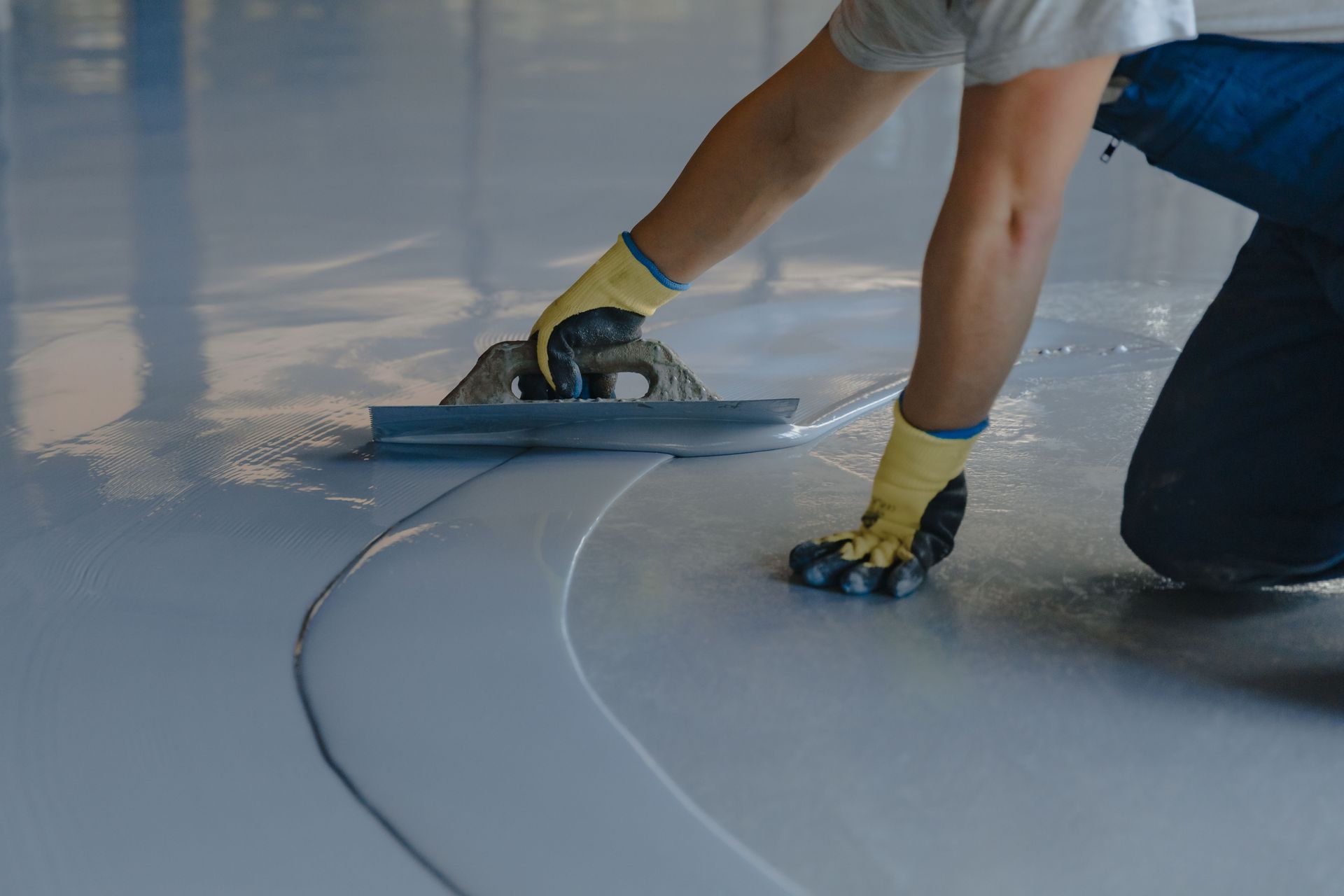
Once diagnostic testing establishes the moisture vapor emission rate, technicians prepare the underlying concrete substrate for long-term stabilization. Commercial floor restoration and cleaning contractors mechanical-grind or shot-blast affected concrete areas to open the concrete pores. Technicians then apply industrial-grade epoxy moisture mitigation barriers that withstand high hydrostatic pressure.
These liquid-applied resin systems cure into a non-porous membrane that stops moisture vapor from reaching the tile setting bed. Contractors coordinate adhesive selection carefully, matching high-performance modified thin-set mortars to the newly applied moisture barrier. For areas subjected to heavy washdowns, such as institutional kitchens or healthcare entryways, teams replace damaged Portland grout with high-density epoxy grout formulations. Epoxy grout resists chemical cleaners, stays flexible, and will not absorb standing surface fluids. Installing these combined components establishes a reliable defense against moisture damage. By coupling robust vapor-barrier technology with resilient setting compounds, crews neutralize subfloor vapor movement and preserve structural integrity across high-traffic corridors.
Proper mechanical profiling of the concrete before barrier installation is an essential requirement for lasting adhesion. Removing surface laitance, curing compounds, and chemical sealers opens concrete capillaries so the penetrating epoxy bonds directly to the structural slab. Skipping this mechanical preparation causes barrier delamination, wasting project investments and repeating the initial failure pattern. Seasoned flooring crews confirm concrete surface profiles using standardized International Concrete Repair Institute guidelines before pouring mitigation resins.
Maintaining Tile Assemblies for Extended Durability
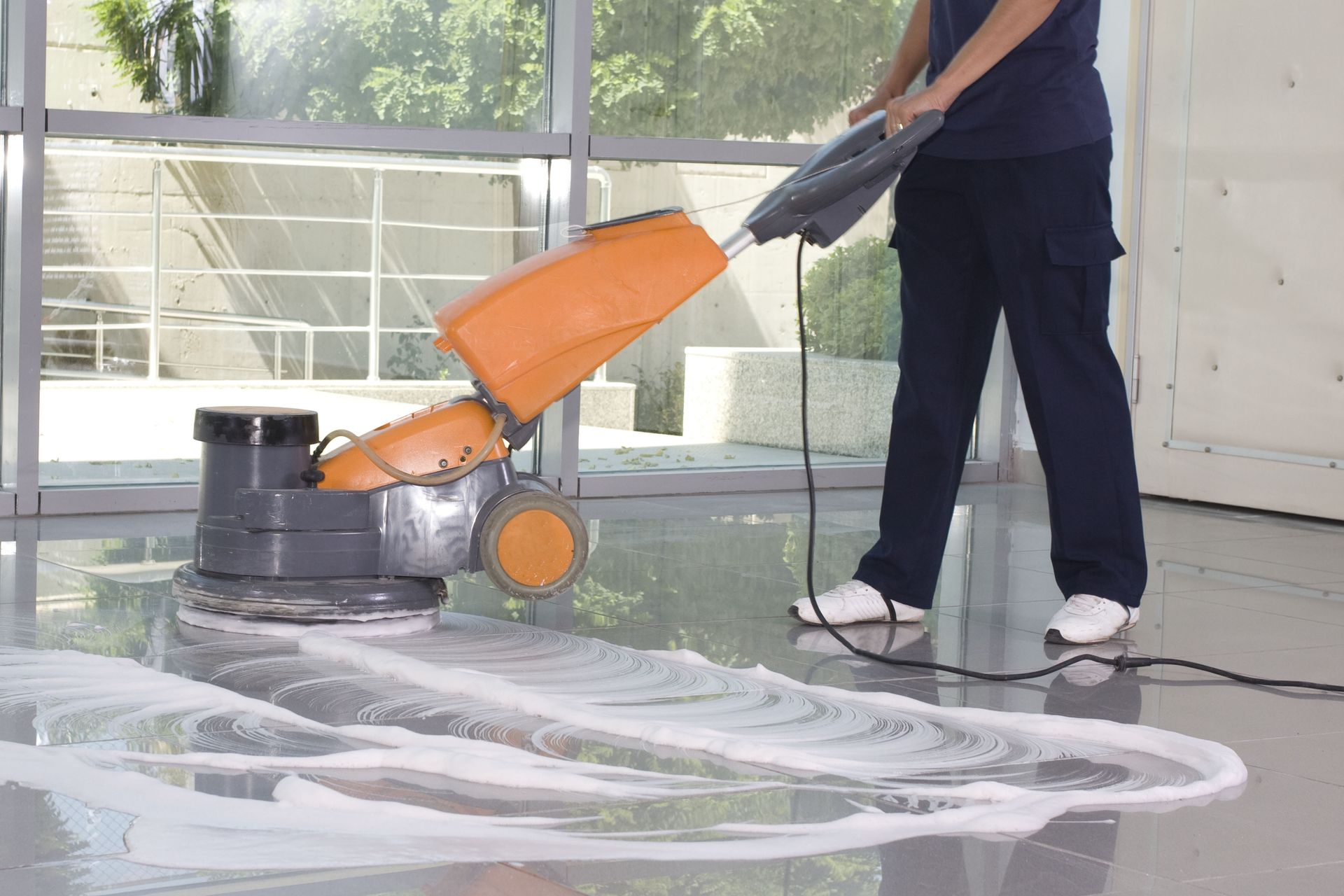
Sustaining a restored commercial tile assembly requires routine maintenance protocols and scheduled evaluations. Professional commercial floor restoration and cleaning programs remove grease, chemical residues, and biological contaminants that break down grout seals over time. Property managers should maintain steady environmental controls, since unchecked relative humidity accelerates condensation on cold flooring surfaces.
Documenting regular maintenance inspections helps maintenance managers detect loose grout, crumbling perimeter caulk, or shifting expansion joints before water migrates beneath adjacent tiles. Identifying small joint separations early prevents moisture from accumulating under neighboring sections. Facilities teams that establish rigorous cleaning frequencies also ensure fewer grit particles abrade protective sealants, shielding porous grout borders from premature mechanical failure. Relying on scheduled, systematic floor care extends the operational life of the tile installation and avoids the substantial capital cost of complete floor replacement.
Selecting Qualified Commercial Flooring Contractors
Remediating subfloor moisture issues requires sophisticated mechanical tools, commercial-grade chemicals, and proven building science methods. Property managers should look for contracting firms that maintain established trade credentials, such as INSTALL and ICRA certifications. These industry qualifications verify that the crew follows strict containment standards, utilizes correct substrate preparation protocols, and complies with manufacturer requirements. Certified teams understand how ambient facility conditions intersect with sub-slab moisture, ensuring that installation parameters align with regional atmospheric standards.
Commercial properties feature varied flooring materials across different operational zones, from ceramic tile in restrooms to luxury vinyl tile, sheet tile, concrete polishing, and epoxy flooring in production areas. Partnering with a commercial contractor who manages diverse materials provides comprehensive oversight for the entire building. Experienced contractors provide accurate diagnostic evaluations, clear manufacturer warranties, and durable installation techniques that keep commercial spaces functioning smoothly.
Managing subfloor vapor transmission beneath commercial porcelain tile demands rigorous diagnostics, heavy-duty mitigation systems, and disciplined floor restoration procedures. Property managers who address moisture problems promptly protect their building infrastructure, maintain sanitary operations, and prevent costly business interruptions. When your business facility needs dependable commercial floor care, turn to the experienced team at CFS Interiors & Flooring.