November 23, 2026
Choosing flooring for a commercial space involves more than selecting an attractive material. Businesses must consider how flooring affects employee comfort, customer experiences, maintenance, and long-term operating costs. The right flooring should complement the property's appearance while supporting its intended activities and handling consistent use.
Understanding Commercial Flooring Needs
Recognizing Functional Requirements
Flooring plays an important role in defining the appearance and functionality of commercial environments. In addition to complementing interior design, it influences comfort, acoustics, safety, and usability. Retail stores need surfaces that withstand frequent foot traffic, while office environments may prioritize noise reduction and comfort. Hospitality venues often require a combination of durability, visual appeal, and easy maintenance.
Understanding how employees, customers, and visitors use a space helps determine which flooring characteristics matter most. Businesses with employees who stand for extended periods may benefit from cushioned surfaces, while entrances and hallways require materials that resist wear. Incorporating these considerations into commercial design helps create environments that support daily operations.
Identifying High-Traffic Areas
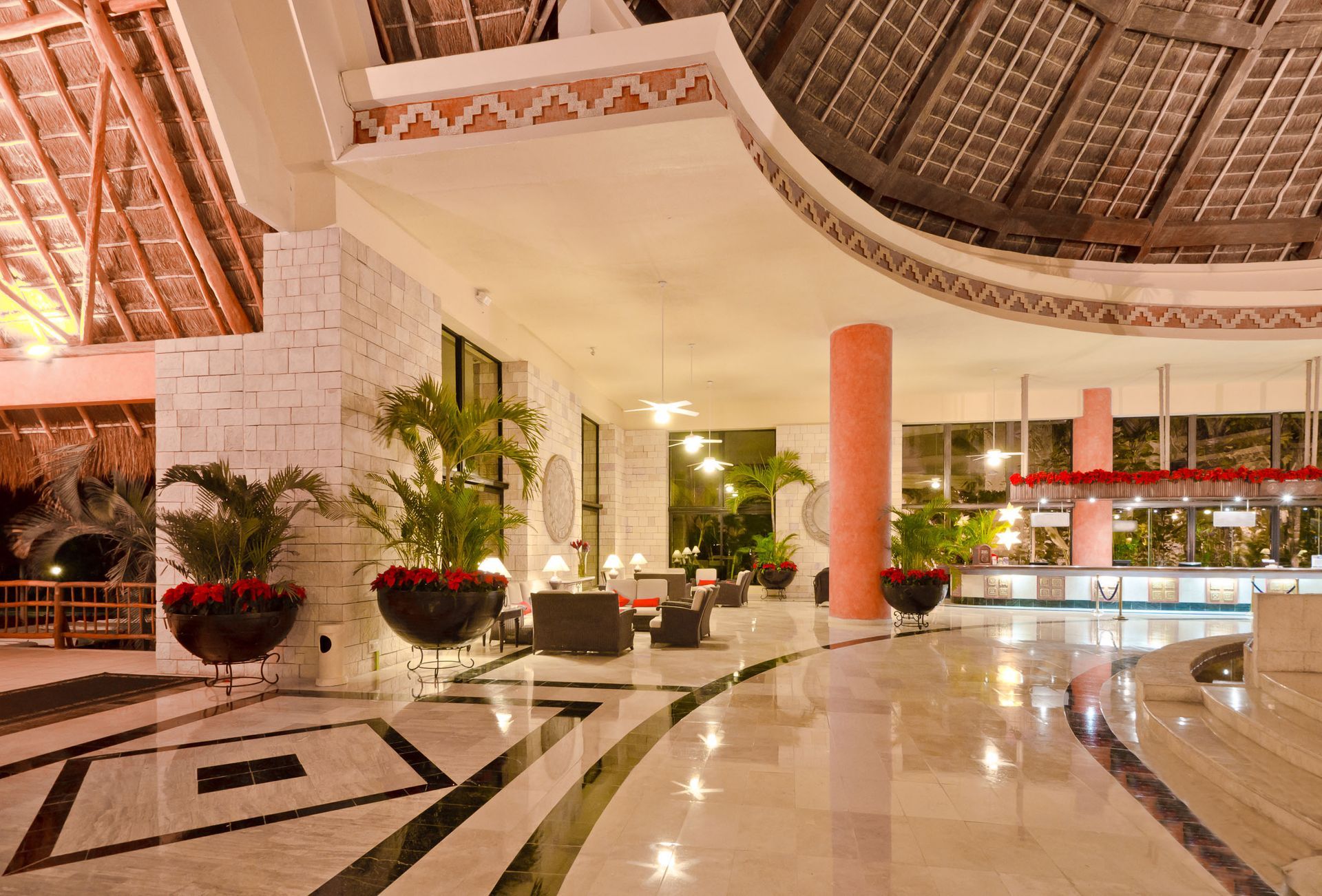
High-traffic areas require flooring that can withstand frequent use without showing excessive wear. Entrances, reception areas, hallways, and shared spaces often experience the greatest amount of foot traffic. Choosing durable materials for these locations can reduce maintenance demands and limit premature replacements.
Tile, stone, and hardwood are popular options for commercial environments because of their durability and visual versatility. According to Globe Newswire as published by Yahoo! Finance, the non-resilient flooring category, including tile, stone, and hardwood, holds over 55% of the market, while replacement projects are the fastest-growing segment, driven by office and retail renovations.
Prioritizing durability in heavily used areas helps maintain a professional appearance while reducing disruptions associated with frequent repairs.
Considering Visual Appeal and Acoustics
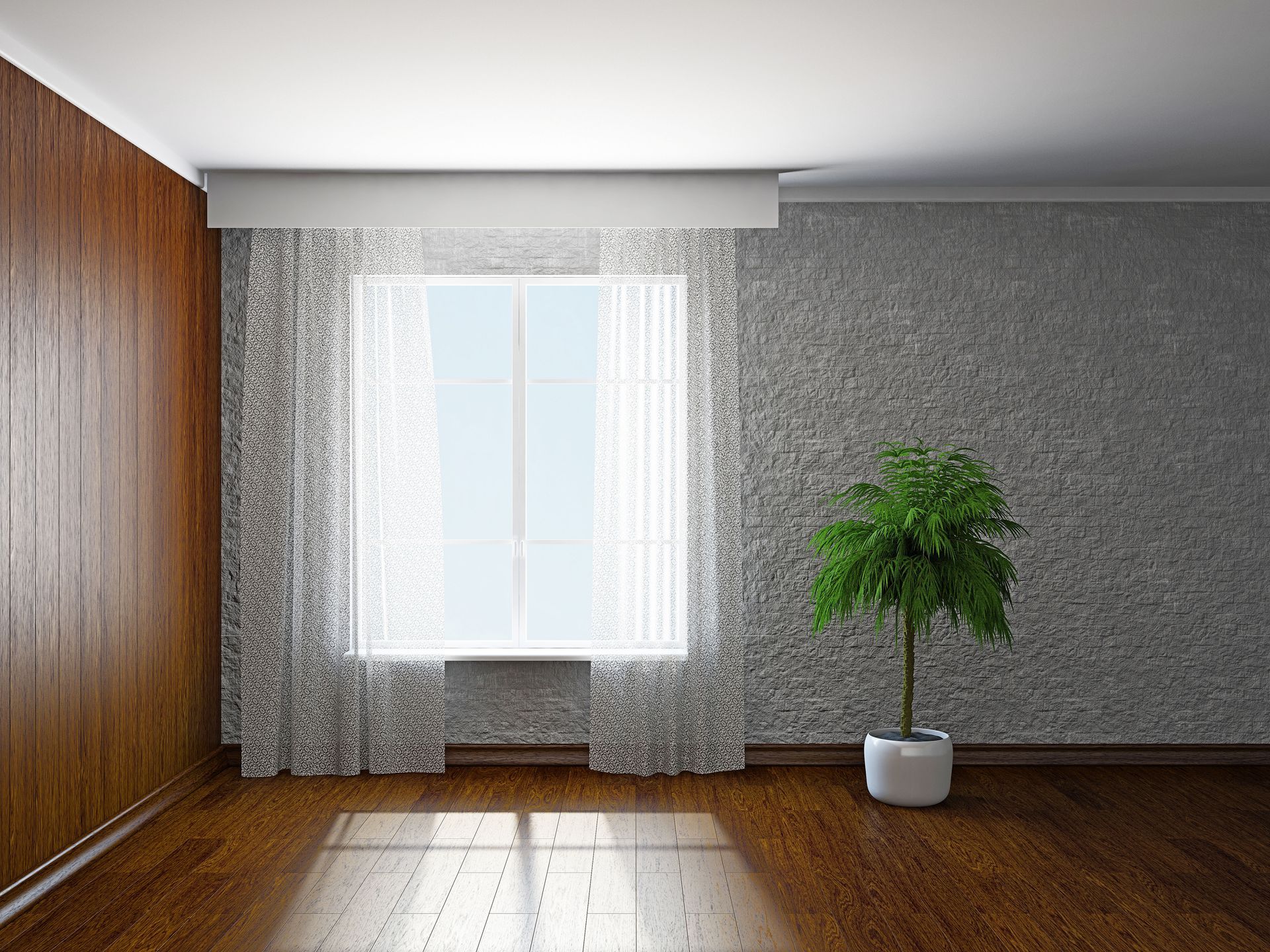
Flooring contributes significantly to a commercial property's atmosphere and brand identity. Colors, patterns, textures, and finishes can reinforce a company's image while creating a welcoming environment. Warm wood tones may complement hospitality settings, whereas neutral colors and clean finishes can create a professional atmosphere in corporate offices.
Flooring also influences how sound travels throughout a building. Hard surfaces such as tile and stone can amplify noise, potentially making open offices and busy customer areas less comfortable. Carpet and cork offer greater sound absorption, helping reduce background noise and improve acoustics.
Businesses should evaluate the activities taking place in each room before selecting materials. Combining attractive finishes with appropriate sound-control solutions allows commercial design to address both visual and practical requirements.
Evaluating Commercial Flooring Materials
Comparing Popular Flooring Options
Commercial flooring materials offer different advantages depending on their intended applications. Carpet provides cushioning and sound absorption, making it suitable for offices and meeting rooms. However, it generally requires more frequent cleaning. Vinyl is another popular choice because it offers versatility, moisture resistance, and straightforward maintenance.
Tile and natural stone provide durable surfaces that work well in entrances, retail spaces, and other heavily used areas. Hardwood offers a timeless appearance and can complement upscale commercial interiors, although it requires appropriate care. Understanding these differences helps businesses select materials that align with their operational requirements and aesthetic preferences. These decisions are also important to successful commercial design because flooring must complement the property's overall purpose.
Assessing Durability and Lifespan
Durability is particularly important in commercial environments where flooring experiences consistent use. Materials must withstand foot traffic, furniture movement, spills, and everyday demands. Selecting an appropriate surface can help prevent premature deterioration and reduce repair expenses.
Hardwood and natural stone can provide long-lasting performance when properly maintained, while quality tile offers excellent resistance to everyday wear. Some budget-friendly materials may have lower initial costs but require more frequent replacement. Evaluating expected lifespan alongside installation and maintenance expenses provides a clearer picture of overall value.
Evaluating Comfort and Sustainability
Comfort is important in workplaces where employees spend extended periods standing or walking. Carpet, cork, and certain resilient flooring products provide cushioning that can reduce fatigue. Rubber flooring may also offer durability and underfoot support, making it useful in select commercial environments.
Sustainability is another consideration in commercial design. Materials such as bamboo, cork, and reclaimed wood offer alternatives to conventional flooring products. Manufacturers also produce flooring with recycled content, helping businesses explore environmentally conscious options without overlooking performance.
When comparing sustainable products, businesses should consider material sourcing, expected lifespan, and disposal options. Choosing durable, responsibly manufactured materials can support environmental objectives while maintaining functionality.
Balancing Comfort and Maintenance Requirements
Supporting Employee Well-Being
The flooring beneath employees' feet can influence workplace comfort and productivity. Hard surfaces may become uncomfortable for people who stand throughout the workday, while cushioned materials can provide additional support. Selecting appropriate flooring for reception desks, retail counters, and other workstations can help create a more comfortable environment.
Acoustic properties also influence employee well-being. Excessive noise can make communication difficult and interrupt concentration, particularly in open office layouts. Carpet and acoustic underlays can help create quieter surroundings. Considering these factors during commercial design can improve the everyday experience of employees and visitors.
Simplifying Routine Cleaning
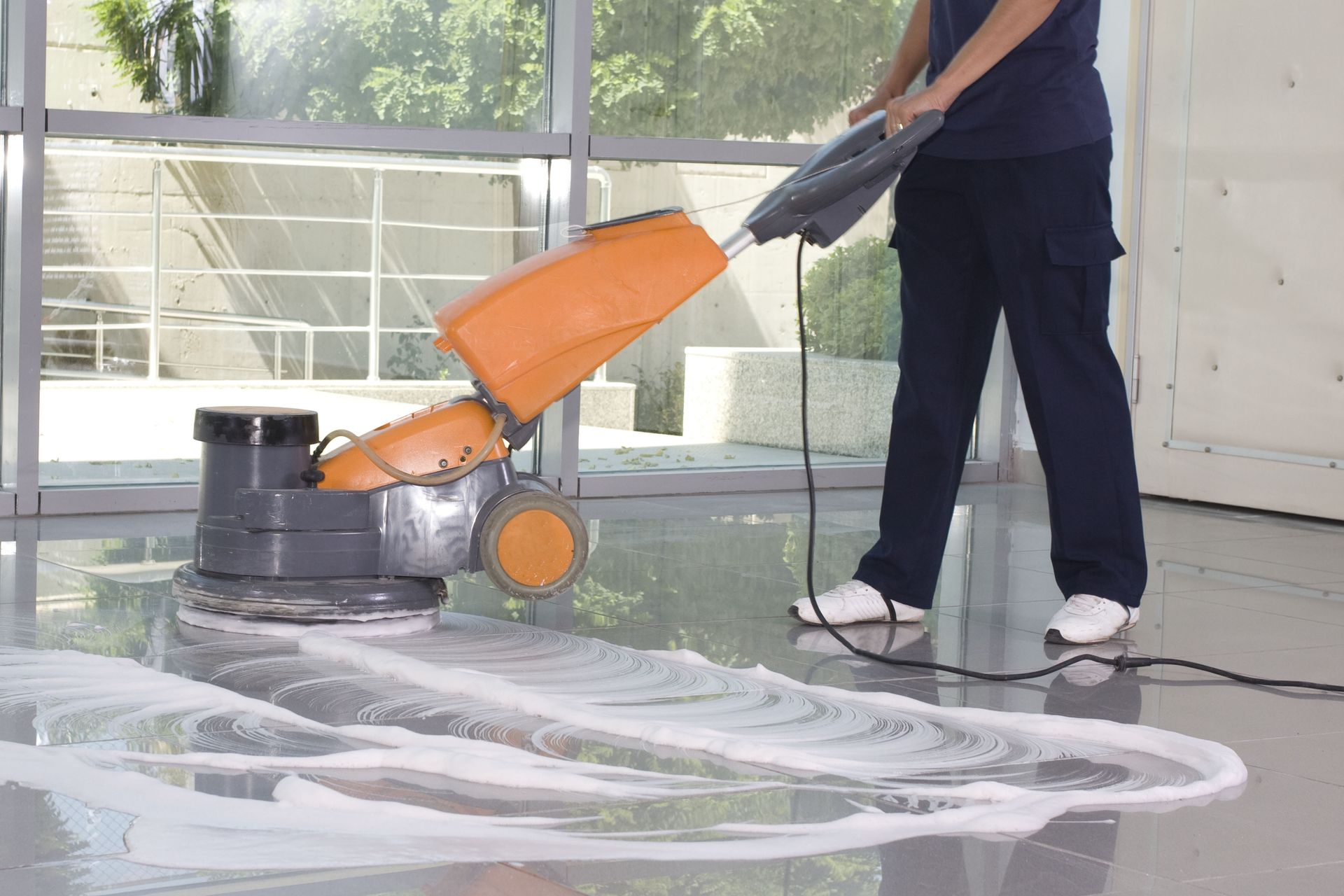
Maintenance requirements can significantly affect the long-term cost of commercial flooring. Businesses should consider how frequently surfaces need cleaning and how easily stains or spills can be addressed. Tile and vinyl are generally straightforward to maintain, making them practical choices for many high-traffic environments.
Carpet may require regular vacuuming and periodic deep cleaning, while natural stone and hardwood can need specific cleaning products and protective treatments. Understanding these responsibilities before installation helps businesses establish realistic maintenance schedules.
Choosing materials that align with available maintenance resources can prevent unnecessary expenses and keep commercial spaces looking presentable.
Maintaining Safety and Compliance
Safety should remain a priority when selecting commercial flooring. Slip resistance is particularly important in entrances, kitchens, restrooms, and other areas where moisture may accumulate. Businesses should evaluate surface textures and finishes to help reduce the risk of slips and falls.
Commercial properties must also account for applicable building codes, accessibility requirements, and fire safety regulations. Selecting compliant materials during commercial design helps businesses create safer environments while supporting their operational needs.
Planning for Long-Term Flooring Performance
Managing Installation and Replacement Costs
Commercial flooring budgets should account for more than the initial material purchase. Installation expenses, surface preparation, maintenance, repairs, and eventual replacement all contribute to the total cost of ownership. A less expensive product may become more costly if it requires frequent attention.
Businesses should compare materials based on expected performance and long-term expenses rather than focusing exclusively on upfront pricing. Phased installation may also help larger properties manage renovation budgets while limiting disruptions.
Coordinating Flooring With Interior Design
Flooring should complement other interior finishes, including wall colors, lighting, furniture, and architectural features. Coordinating these elements creates a cohesive appearance that reflects the business's identity. Selecting complementary colors and textures can also help define different functional areas.
Successful commercial design balances visual considerations with practical requirements. A retail showroom, for example, may benefit from attractive flooring that highlights merchandise while remaining durable enough for constant customer traffic. An office may require a combination of carpet and hard surfaces to accommodate different activities.
Working With Flooring Professionals
Professional guidance can simplify the process of comparing materials, evaluating installation requirements, and planning commercial flooring projects. Flooring professionals can assess the property, discuss its intended use, and recommend options that balance comfort, maintenance, durability, and appearance.
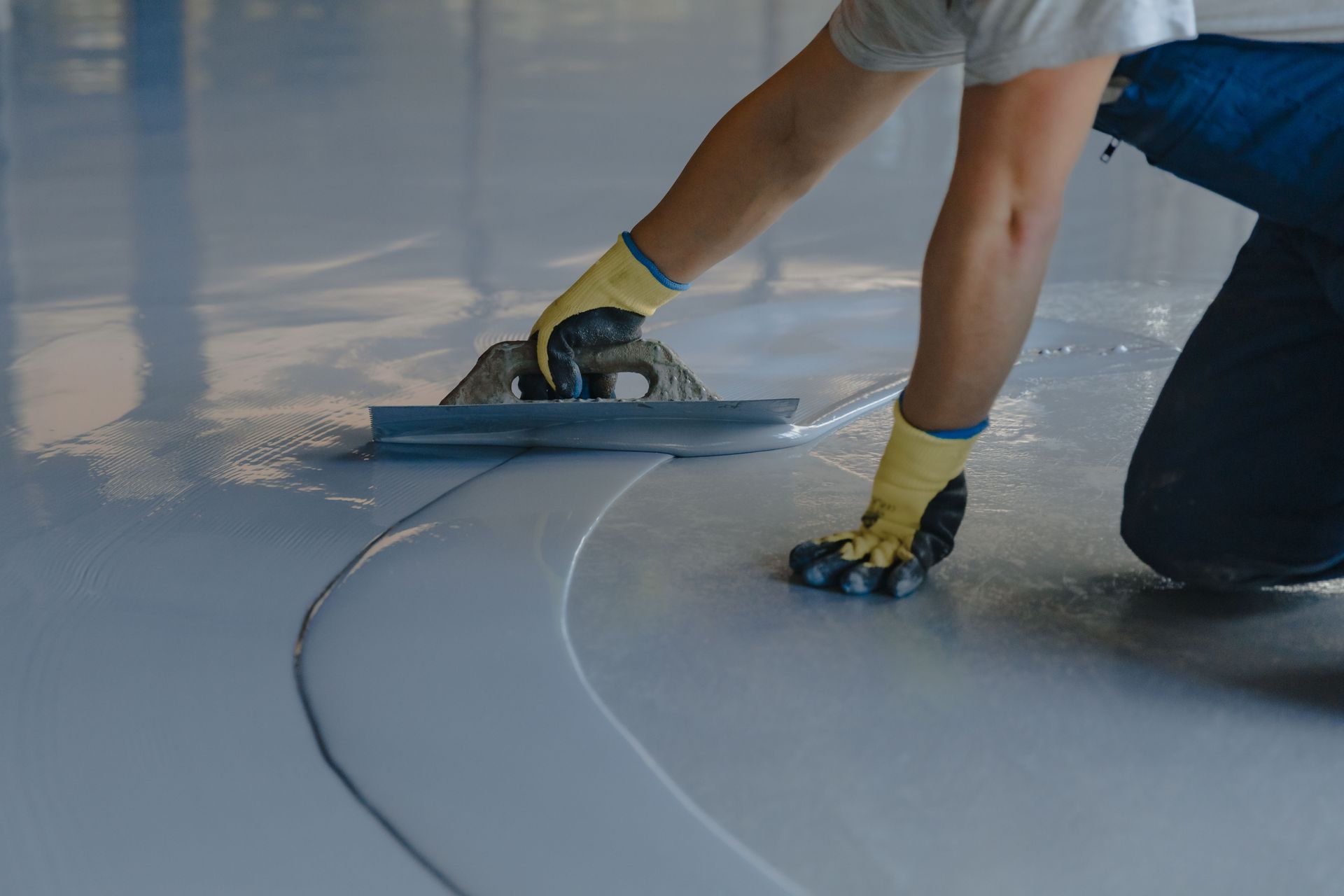
Proper installation is equally important because preparation and workmanship influence how well flooring performs over time. Businesses planning an installation or renovation can turn to CFS Interiors & Flooring for guidance on selecting flooring that meets their functional and aesthetic goals. Careful material selection and professional installation help commercial properties maintain attractive, comfortable, and durable interiors for years to come.